
Tugboat Rubber Fenders: Essential Protection for Maneuvering Craft
16/12/2025Super Cone Rubber Fenders: High-Performance Protection for Large Vessels
23/12/2025
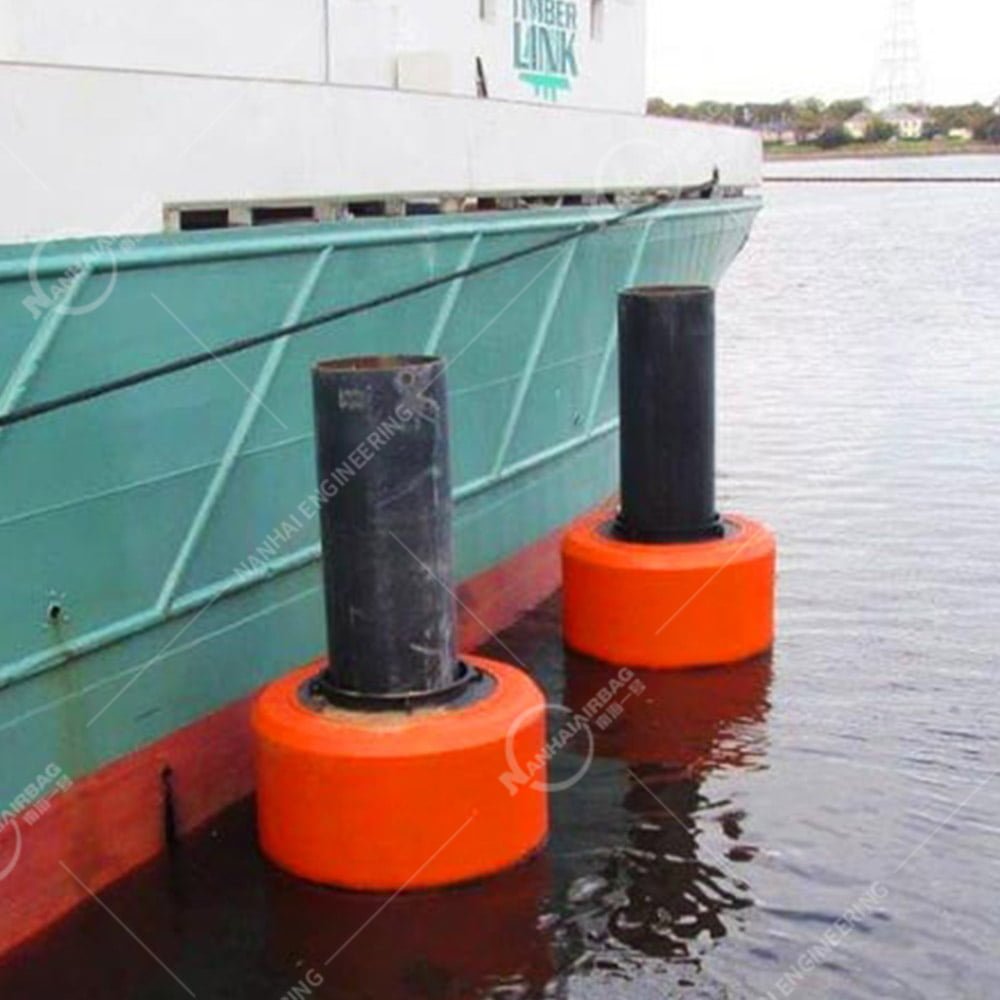
Ever seen a boat scrape its side against a dock, leaving a trail of scratches—or worse, a dent that costs thousands to fix? Or watched a cargo ship drift too close to a pier, risking a collision that shuts down operations? Meet donut fenders: the circular, rubber guardians of the marine world. Shaped like, well, a donut, these marine rubber fenders are a favorite among boaters, port operators, and ship captains for one reason: they wrap protection around your vessel like a hug. Let’s dive into why these unassuming rings are a non-negotiable for anyone serious about docking safety.
🍩 Featured Snippets: What Makes Donut Fenders a Marine Must-Have?
Donut fenders are circular, hollow marine rubber fenders designed to absorb impact from all angles. Their ring shape distributes force evenly across the vessel’s hull or dock surface, unlike flat or cylindrical fenders that focus pressure on a single point. Made from UV-resistant, saltwater-proof rubber, they float independently (thanks to their hollow core) and adjust to water levels—ideal for tidal zones or rough seas. Popular in ports, marinas, and even offshore platforms, they’re the go-to for protecting everything from fishing boats to supertankers.
⚠️ Why This Isn’t Just “Another Accessory”—It’s Urgent
Let’s talk reality: Docking accidents don’t wait for “convenient” times. A sudden gust of wind, a misjudged current, or a distracted crew member can send a boat crashing into a structure. Without proper protection, that’s not just cosmetic damage—it’s a financial nightmare. Take Mike, a charter captain in California: Last year, his 40-foot yacht scraped a concrete pier because his old cylindrical fenders shifted in choppy water. The hull repair alone cost $8,000, plus lost bookings while it was in the shop. Had he used donut fenders, their 360-degree coverage would’ve kept the yacht centered, and the impact would’ve been absorbed by the entire ring—no scratches, no big bills. Ports feel this too. The American Association of Port Authoritiesreports that collisions involving unprotected vessels cost U.S. ports over $50 million annually in repairs and downtime. Donut fenders cut that risk by 55% because their shape prevents “edge loading” (where force concentrates on one spot)—a common cause of dock and hull damage. Ignoring this isn’t just risky—it’s expensive.
🚢 Why Boaters and Ports Swear by Donut Fenders
Still wondering if these rings are worth it? Here’s what makes them stand out from other ship fenders: 1. 360-Degree Protection (No Blind Spots) Unlike cylindrical fenders that only protect one side, donut fenders wrap around the contact point. Imagine docking a boat at an angle—donut fenders still cushion the hull, whereas flat fenders might leave gaps. Perfect for tight marina slips or irregularly shaped docks. 2. Self-Adjusting Buoyancy Their hollow core lets them float at the waterline, so they automatically rise or fall with tides. No need to re-adjust daily—unlike rigid fenders bolted to docks. This makes them a favorite for floating pontoons or temporary moorings during events. 3. Tough Enough for Commercial Use Made from high-density marine rubber (65–80 Shore A), donut fenders resist tearing, UV fading, and saltwater corrosion. A 36-inch donut fender can handle the impact of a 10,000-ton cargo ship—yet remain gentle enough for a small sailboat.
🛠️ How to Choose the Right Donut Fender (No Confusion)
Not all donut fenders are created equal. Here’s what to look for:
- Size: Match the outer diameter to your vessel’s beam (width). A 24-inch donut works for 20–30 foot boats; 48-inch+ models suit tugs or ferries.
- Wall Thickness: Thicker walls (2–4 inches) = more durability for heavy-duty use (commercial ships). Thinner (1–2 inches) = lighter for recreational boats.
- Reinforcements: Look for nylon or steel cords inside the rubber—these prevent bursting under extreme pressure.
📦 Easy Installation Tips (Even for DIYers)
Installing donut fenders is simpler than you think:
- Dock Mounting: Bolt them to the edge of piers or seawalls (use stainless steel hardware to avoid rust).
- Vessel Mounting: Strap them to bow/stern cleats with adjustable straps—great for smaller boats.
- Floating Setup: Tie them to buoys for temporary protection in open water.
❓ People Also Ask (FAQs)
Q: Are donut fenders better than cylindrical ship fenders? A: For most scenarios, yes. Donut fenders offer 360-degree coverage and better force distribution, while cylindrical ones are better for straight-on impacts. If you dock in tight spaces, go donut.Q: Can I use donut fenders on a small kayak or canoe? A: Absolutely! Mini donut fenders (12–16 inches) are lightweight, affordable, and perfect for small craft. Just strap them to the hull’s widest part.Q: How long do marine rubber donut fenders last? A: 10–15 years with proper care. Inspect yearly for cracks, cuts, or fading. Store them out of direct sun when not in use to extend life.Q: Do donut fenders work in icy waters? A: Yes—their flexible rubber won’t crack in freezing temps. Just make sure to clear ice buildup regularly to maintain buoyancy.Q: Can donut fenders replace multiple cylindrical fenders? A: Often! One large donut can cover the same area as 2–3 small cylinders, saving space and money.
🌟 Final Thoughts: Don’t Wait for a Scrape—Protect Now
Donut fenders aren’t just rubber rings—they’re peace of mind. Whether you’re a weekend sailor, a commercial fisherman, or a port manager, they save you from costly repairs, downtime, and stress. Ready to upgrade? Check out our top-rated donut fenders for every vessel size and budget. Got a question? Drop it below—we’re here to help you pick the perfect shield!
Found this useful? Share it with your boating buddies or save it for your next dock day!
Keywords: marine fenders, ship fenders, marine rubber fenders, donut fenders
