
Donut Fenders: The Ultimate Solution for Maritime Collision Protection
05/03/2026Buoyancy Airbags: The Ultimate Guide to Marine Buoyancy & Protection
12/03/2026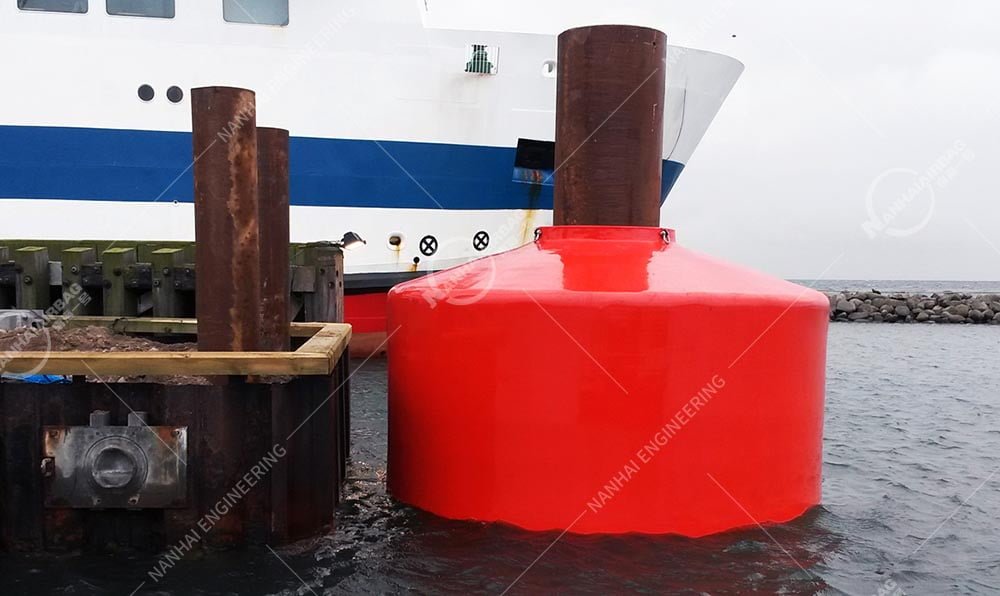
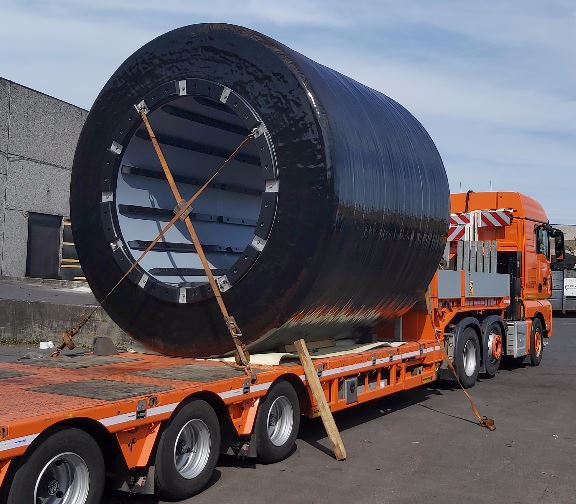
Donut fenders, a versatile and reliable type of marine fenders, are designed to protect boats, ships, and marine structures from collision damage during berthing, mooring, and navigation. Unlike traditional rubber fenders or marine airbags, donut fenders feature a unique ring-shaped design that allows them to rotate freely around piles, adapt to tidal changes, and deliver consistent protection with minimal maintenance. Suitable for everything from small leisure boats to large commercial vessels, ferry berths, and bridge structures, donut fenders combine durability, ease of use, and high performance—making them a top choice for marine professionals and boat owners alike. This guide covers everything you need to know about donut fenders, including their advantages, applications, maintenance, and how they compare to other marine protection solutions like rubber fenders and marine airbags.
When it comes to marine protection, not all fenders are created equal. While rubber fenders excel in heavy-duty port applications and marine airbags are ideal for vessel launching and salvage, donut fenders fill a unique niche by offering flexibility, space-saving design, and all-around protection that few other marine fenders can match. Their distinct donut shape isn’t just aesthetic—it’s a engineering solution that addresses common pain points in marine operations, from tidal fluctuations to vessel alignment. Let’s dive into the key advantages of donut fenders, backed by real-world examples that highlight why they’re becoming a staple in marine infrastructure worldwide.
One of the most significant advantages of donut fenders is their 360-degree protection and free rotation. Unlike fixed rubber fenders that only protect a specific area, donut fenders are installed around piles and can rotate freely as vessels make contact, ensuring even force distribution and preventing damage to both the vessel hull and the fender itself. For example, at the Port of Long Beach in California, marine professionals chose donut fenders for the Fireboat 15 dock upgrade to protect $50M+ fireboats. The fenders’ ability to rotate allowed the fireboats to berth safely even in windy or high-current conditions, eliminating shear forces and reducing hull wear. This rotation also means the fender can adapt to different vessel angles, making it ideal for turning structures and lead-in jetties.
Another standout benefit is their adaptability to tidal variations. Donut fenders float up and down with water levels, ensuring they remain in the optimal position to absorb impact—even in areas with large tidal changes. A prime example is a ferry terminal in a coastal region with 10-foot tidal swings: traditional rubber fenders would be too low at low tide or too high at high tide, leaving vessels vulnerable. Donut fenders, however, rise and fall with the water, providing consistent protection 24/7. This adaptability also makes them perfect for bridge protection and lock entrances, where water levels fluctuate regularly.
Donut fenders also offerminimal maintenance and long service life, a critical advantage for busy marine facilities. Constructed with durable polyurethane skin reinforced with nylon filaments and foam-filled cores, they are unsinkable, puncture-resistant, and won’t mark vessel hulls. Unlike marine airbags, which require regular pressure checks, donut fenders need only occasional inspection and cleaning to maintain performance. A marina in Singapore reported that their donut fenders retained their functionality for over 10 years with minimal upkeep—significantly longer than standard rubber fenders, which often need replacement every 5-7 years. This durability translates to lower long-term costs, making donut fenders a cost-effective choice for both commercial and private use.
Space-saving design is another key advantage of donut fenders, especially in narrow waterways or tight berthing areas. Their compact ring shape allows them to fit around piles or monopiles without taking up extra space, unlike bulkier rubber fenders that require additional mounting hardware. For instance, a small coastal harbor with narrow channels installed donut fenders to protect its docks; the fenders’ slim profile allowed vessels to maneuver easily while still providing robust protection. This makes them ideal for corner protection, simple breasting dolphins, and small private docks where space is at a premium.
Curious about how donut fenders stack up against other marine protection solutions? Or maybe you’re wondering which size donut fender is right for your vessel? Keep reading to discover the different types of donut fenders, their applications across various marine settings, maintenance tips to extend their lifespan, and answers to the most common questions marine professionals and boat owners ask about this essential marine equipment. Whether you’re upgrading a commercial port, outfitting a private yacht, or protecting a bridge structure, understanding donut fenders will help you make the best choice for your marine protection needs.
Related Questions About Donut Fenders (Frequently Searched on Google)
- What is a donut fender, and how does it differ from rubber fenders?
- Are donut fenders compatible with marine airbags for comprehensive marine protection?
- What size donut fender do I need for my boat or marine structure?
- How do I install and maintain donut fenders to maximize their lifespan?
- Can donut fenders be customized for specific marine applications (e.g., ferry berths, bridge protection)?
- Do donut fenders work in areas with large tidal variations?
- Are donut fenders more cost-effective than traditional marine fenders or marine airbags?
- What materials are donut fenders made of, and how durable are they?
- Can donut fenders protect both small boats and large commercial vessels?
- How do donut fenders prevent damage to vessel hulls compared to rubber fenders?
Donut fenders are more than just a marine protection tool—they’re a versatile solution that adapts to the unique challenges of marine environments. Whether you’re dealing with tidal changes, narrow waterways, or high-traffic berths, donut fenders deliver consistent, low-maintenance protection that outperforms many traditional marine fenders. When combined with marine airbags and rubber fenders, they create a comprehensive marine protection system that safeguards vessels and structures from every angle. To learn more about choosing the right donut fender for your needs, continue exploring our guide or reach out to a marine fender expert for personalized advice.
