
YOKOHAMA Fenders: The Gold Standard in Marine Impact Protection
23/04/2026Floating Foam Fenders
30/04/2026
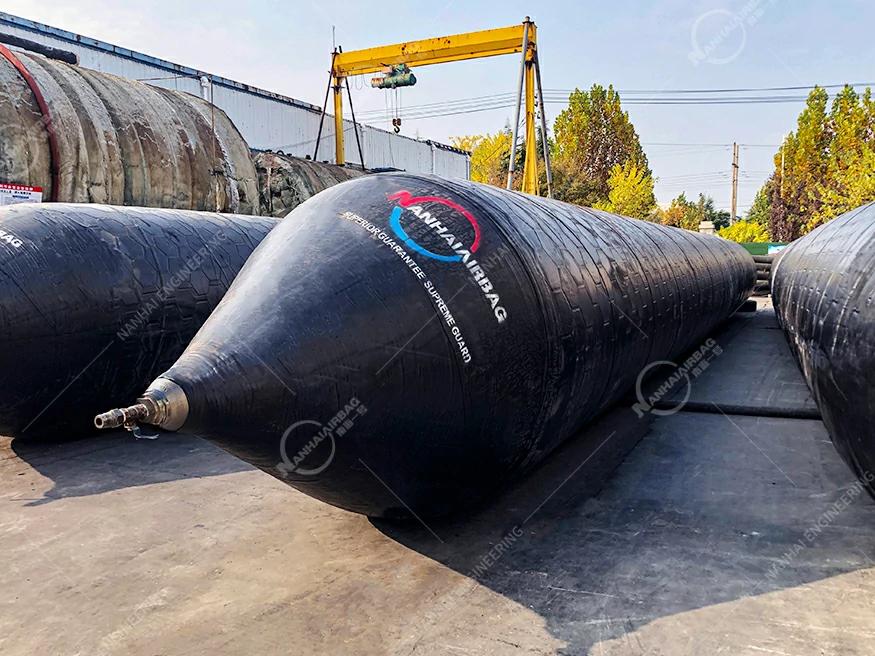
Choosing the right equipment for a vessel launch is not just a matter of logistics—it’s a matter of life, death, and your company’s bottom line. If you are in charge of a shipyard or marine engineering project, you already know that cutting corners on equipment can lead to catastrophic delays.
This comprehensive guide will walk you through exactly how to choose ship launching airbags that guarantee safety, durability, and cost-efficiency. We will cut through the technical jargon and give you the practical insights you need to make an informed purchase today.
⭐ Quick Answer: How to Choose Ship Launching Airbags?
To choose the right ship launching airbags, you must first calculate the maximum load of your vessel and match it to the airbag’s rated capacity. Always prioritize airbags with high-tensile synthetic-tire-cord layers, verify the rubber’s age and UV resistance, and ensure the manufacturer complies with ISO 17357 standards. Never compromise on quality for a lower upfront cost, as the right airbags ensure a smooth, damage-free launch.
🚨 Why is Choosing the Right Airbag So Urgent?
Imagine this: It’s launch day. The champagne bottle breaks, the crowd cheers, but as the hull hits the water, a low-quality airbag bursts under the pressure. The vessel tilts violently, sustaining severe structural damage. The repairs will cost hundreds of thousands of dollars, and your project is delayed by months.
This nightmare scenario happens more often than you think. Many shipyards, especially those new to airbag launching technology, fall into the trap of buying cheap, uncertified products. Unlike traditional slipways, marine airbags rely entirely on their internal structure to bear immense loads. Choosing the wrong ones doesn’t just risk equipment failure; it risks human lives and the financial viability of your entire operation.
By investing time in selecting the correct airbags now, you are buying insurance for your vessel and your reputation. Let’s dive into how you can avoid these pitfalls.
📏 Step 1: Calculate Your Vessel’s Specifications
Before you even look at suppliers, you need hard data. You cannot guess the size and number of airbags required.
- Vessel Weight & Dimensions: What is the deadweight and length of the ship?
- Launching Angle: The slope of your launching way significantly impacts the required air pressure and load distribution.
- The Math: A general rule of thumb is to ensure the total bearing capacity of your airbags exceeds the vessel’s weight by a safe margin (usually 1.5x to 2x). Consult with an engineer to determine the exact diameter and length of the marine airbags you need.
🛡️ Step 2: Inspect the Build Quality (The “Tire-Cord” Test)
Not all rubber is created equal. The core strength of a ship launching airbag comes from its reinforcement layers.
- Synthetic Tire Cord: High-quality airbags use synthetic-tire-cord fabric, similar to what goes into car tires. This provides incredible tensile strength.
- Rubber Compounds: The outer rubber layer must resist abrasion, seawater corrosion, and UV rays. If the supplier cannot tell you the exact composition of their rubber, walk away.
- Number of Layers: More layers usually mean higher pressure resistance. For heavy vessels, do not settle for less than 6-8 cord layers.
📜 Step 3: Verify Safety Standards and Certifications
In the marine industry, certifications are your best friend. They prove that the product has been tested under extreme conditions.
- Look for manufacturers who adhere to ISO 17357 standards for marine fenders and airbags.
- Ask for the latest pressure test reports and material certificates.
- A reputable supplier will be transparent about their testing process and happy to provide documentation.
💰 Step 4: Compare Total Cost of Ownership (Not Just Price)
It is tempting to go with the cheapest quote, especially when managing a tight budget. However, cheap airbags wear out faster, are more prone to leaks, and have shorter lifespans.
- Warranty Matters: A confident manufacturer will offer a solid warranty (typically 12-24 months).
- After-Sales Support: Can they provide on-site guidance during your first launch? Do they stock replacement parts?
🌊 Understanding Marine Protection Equipment
When sourcing equipment for your shipyard, you might come across terms like marine fenders, rubber fenders, and marine airbags. While they sound similar, they serve different purposes:
- Ship Launching Airbags: Inflatable cylindrical bags used to lift and slide vessels into the water.
- Marine Fenders: Fixed or floating structures (often cylindrical or cell-type) installed on docks or ship hulls to absorb impact during berthing.
- Rubber Fenders: The general category of fendering systems made from molded or extruded rubber.
Understanding these distinctions ensures you purchase the exact equipment tailored to your current project’s needs.
🙋♂️ People Also Ask (FAQ)
Q1: How long do ship launching airbags typically last?
A: With proper maintenance and storage, high-quality marine airbags can last anywhere from 5 to 8 years. Their lifespan heavily depends on the frequency of use, the water conditions, and whether they are cleaned and deflated properly after each launch.
Q2: Can I use marine airbags for both launching and docking?
A: Absolutely. While they are primarily known for ship launching, heavy-duty marine airbags are also excellent for dry docking, salvage operations, and heavy lifting. Their versatility makes them a valuable asset for any modern shipyard.
Q3: What is the difference between a marine airbag and a pneumatic rubber fender?
A: The main difference lies in their application and shape. Marine airbags are long, cylindrical, and designed to roll under a ship’s hull to lift it. Pneumatic rubber fenders are usually shorter, wider, and suspended vertically or horizontally along a ship’s side or dock to prevent collision damage.
🚢 Ready to Secure Your Next Launch?
Selecting the perfect ship launching airbags doesn’t have to be a stressful gamble. By focusing on calculations, build quality, certifications, and total cost of ownership, you can approach your next vessel launch with absolute confidence.
Don’t leave your multi-million dollar investment to chance. If you have specific questions about sizing or want to compare top-tier manufacturers, feel free to reach out. We are here to help you navigate the options and find the perfect fit for your shipyard.
