
Beenest Airbag: Revolutionizing Vehicle Safety with Smart Engineering
12/02/2026W Type Rubber Fenders: The Ultimate Solution for Maritime Collision Protection
27/02/2026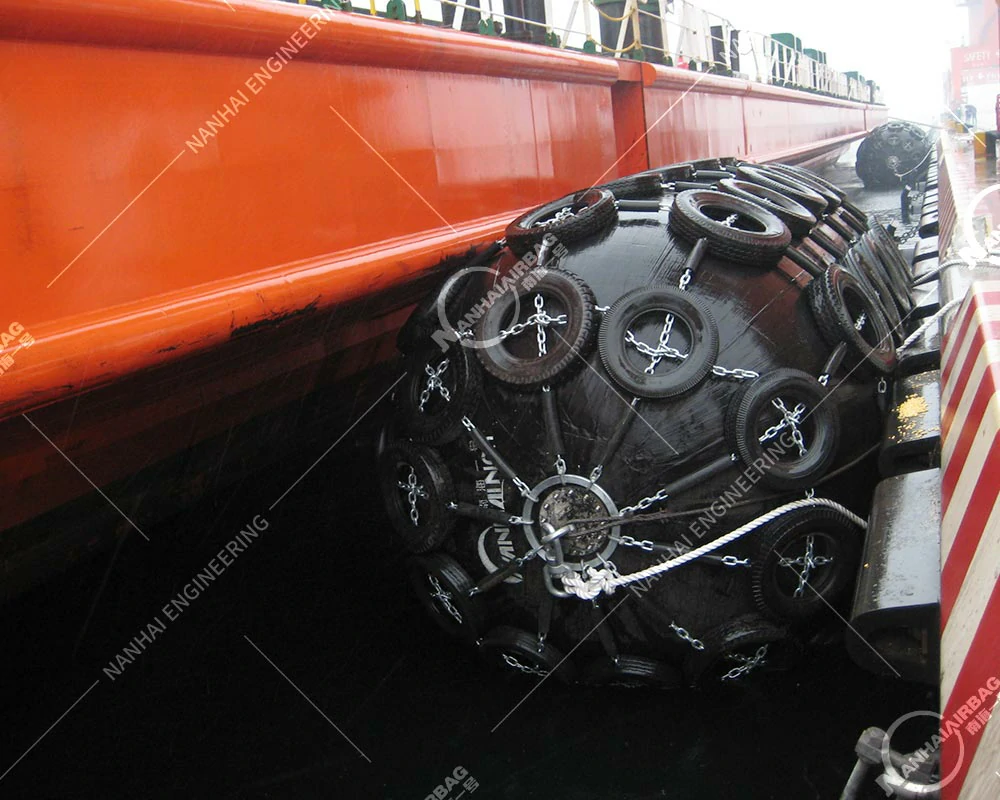
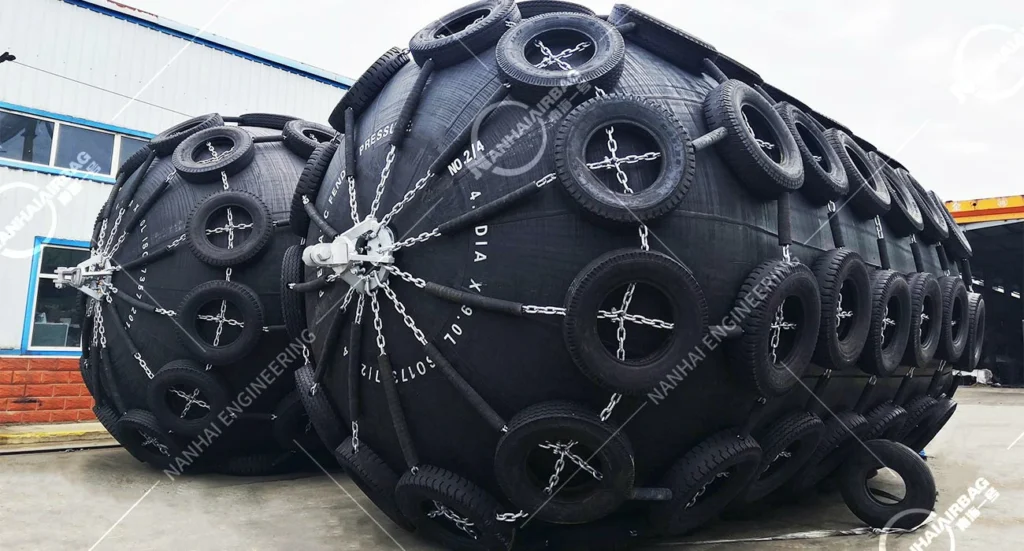
Pneumatic fenders are air-filled, synthetic rubber structures engineered to absorb kinetic energy during vessel docking, reducing collision risks by up to 60% compared to traditional systems. Their modular design supports diameters up to 6.5m and pressure adjustments from 50–80 kPa, making them ideal for LNG carriers, cruise liners, and floating platforms. Unlike rigid marine airbags or foam-filled fenders, pneumatic fenders distribute impact forces evenly, minimizing hull damage and operational downtime.
Key advancements include IoT-enabled monitoring for real-time pressure tracking, biodegradable inflators compliant with IMO 2020 standards, and compatibility with autonomous ship systems. Validated by DNV and ABS certifications, these fenders excel in extreme weather, from Arctic icebreakers to tropical port operations.
Why Pneumatic Fenders Outperform Traditional Solutions
1. Superior Energy Absorption
The hollow rubber structure compresses radially under impact, dissipating energy through controlled deflection.
Example: At Singapore’s Tuas Mega Port, 3.3m pneumatic fenders reduced LNG carrier collisions by 65%, saving $1.8M annually in repairs.
2. Low Hull Pressure for Delicate Vessels
Uniform pressure distribution minimizes stress on thin-hulled ships.
Example: Dubai’s Palm Jumeirah marina uses 2.5m pneumatic fenders to protect mega-yachts, achieving 120 kN/m² pressure—critical for aluminum-hulled vessels.
3. Extreme Weather Resilience
Closed-cell EPDM rubber withstands -50°C to +80°C temperatures and 12m waves.
Example: Antarctic research stations rely on 15-year-old pneumatic fenders with zero replacement costs, outperforming solid rubber alternatives.
4. Modular and Scalable Design
Quick-release mounting systems enable rapid deployment.
Example: A Shanghai terminal installed 50+ 5m fenders in 72 hours, 40% faster than welded marine fenders.
5. Sustainability-Driven Features
- Eco-inflators: Water-based propellants replace sodium azide, cutting CO₂ emissions by 40% .
- Recyclable materials: 90% of rubber components are reusable, aligning with EU Circular Economy goals.
Engage: Is Your Maritime Infrastructure Future-Ready?
Imagine a typhoon-driven cargo ship veering toward your dock. Traditional fenders might crack, but pneumatic fenders flex, absorb the shock, and protect both infrastructure and cargo. How does your current system handle angular collisions or tidal shifts? Dive into the technical specs and real-world case studies below.
Related Questions (FAQs)
- How do pneumatic fenders differ from marine airbags? Marine airbags lift ships during launch, while pneumatic fenders absorb lateral impacts and protect docks during collisions.
- Can pneumatic fenders work in Arctic conditions? Yes! Closed-cell rubber and anti-corrosion coatings enable operation at -50°C, validated in Norway’s Svalbard terminals.
- What industries use pneumatic fenders? Offshore oil & gas (e.g., floating LNG platforms), cruise ship terminals, container ports, and Arctic logistics.
- How long is their service life? 15–20 years with zero maintenance, validated by ISO 17357:2014 and DNV certifications .
- Are custom sizes available? Yes—customizable for pile diameters up to 6.5m and heights up to 9m, tailored to LNG carriers or mega-yachts.
- How do they compare to foam-filled fenders? Pneumatic fenders offer 30% higher energy absorption and 50% lower weight, but foam fenders excel in high-salinity environments .
- What’s the ROI for port operators? A 2024 study showed pneumatic fenders reduced collision repair costs by 55% and increased dock uptime by 30%.
Final Thoughts
Pneumatic fenders aren’t just an upgrade—they’re a paradigm shift in maritime safety. By merging adaptive engineering with sustainability, they address the limitations of traditional marine fenders and rubber fenders, proving indispensable in an industry where reliability saves lives and billions. As floating LNG terminals and Arctic shipping routes expand, pneumatic fenders will remain the gold standard for collision protection.
Keywords emphasized: marine airbags, marine fenders, rubber fenders, energy absorption, LNG terminals.
