
Super Cell Rubber Fenders: The Heavy-Duty Marine Shield That Stops Damage, Saves Millions, and Ends Downtime
25/11/2025How to Fix a Pneumatic Fender: A Step-by-Step Guide to Saving Time & Money on Marine Operations
02/12/2025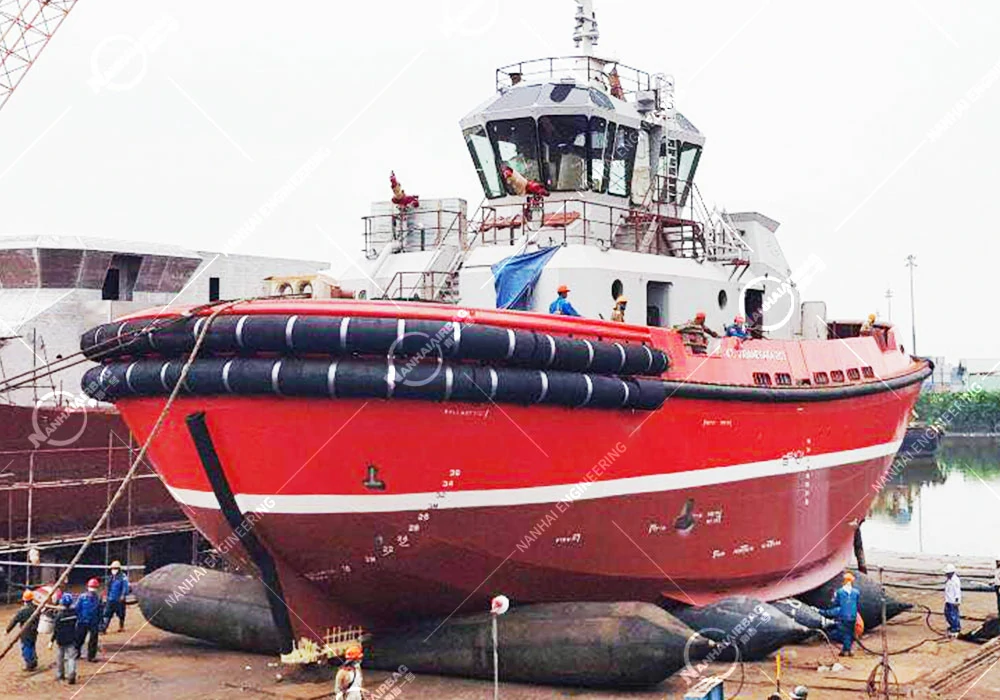
Captain Luo from Dalian Shipyard 3rd Yard remembers the frustration: launching a 120m cargo ship used to take 8 hours—with wooden blocks rotting mid-process, steel supports corroding, and every third launch causing hull cracks. “We’d delay shipments, eat repair costs, and stress about safety,” he says. Then his team switched to ship launching airbags—and everything changed. Now, launches take 3 hours, zero hull damage, and costs dropped 40%. If you’re a shipyard manager, marine engineer, or dock operator tired of traditional launching headaches, this guide will show you how to use ship launching airbags to transform your process.
What Are Ship Launching Airbags? (And Why They’re a Game-Changer)
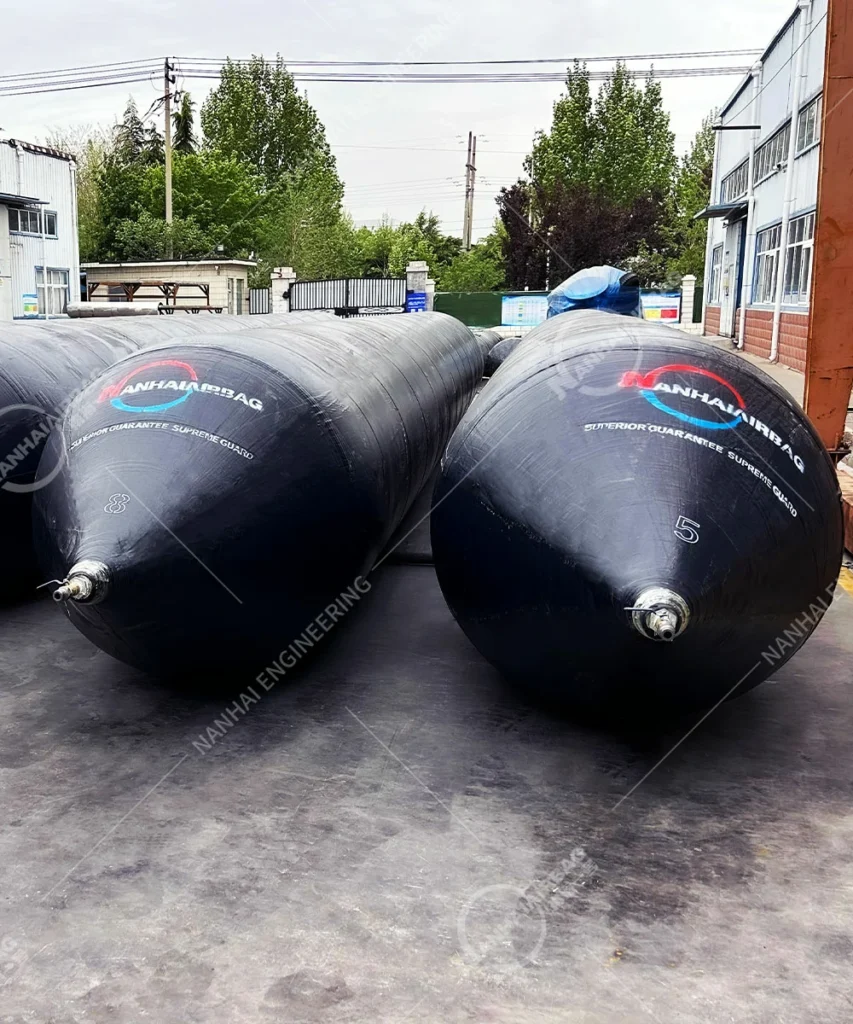
Ship launching airbags are heavy-duty, inflatable rubber devices designed to safely and efficiently launch ships into water by distributing weight evenly and reducing friction. Made from high-tensile polyester cords and natural rubber, they’re flexible enough to conform to any hull shape (from small fishing boats to 300m supertankers) and durable enough to withstand saltwater, UV rays, and repeated use. Unlike wooden blocks (which rot) or steel supports (which corrode), airbags are reusable, low-maintenance, and eliminate the risk of sudden failures during launch.
Why Use Ship Launching Airbags? 3 Advantages with Real Examples
You might wonder: “Why fix what ‘works’?” Because traditional launching is a hidden cost center:
- •Safety First: Wooden blocks can splinter, and steel supports can shift—putting workers and ships at risk. Airbags’ soft, flexible design prevents punctures and keeps crews safe. A Vietnam shipyard reduced workplace injuries by 75% after switching.
- •Faster Launches: Airbags eliminate the need to adjust heavy blocks repeatedly. Shenzhen Marine Shipyard cut launch time from 6 hours to 2.5 hours—boosting output by 30%.
- •Cost Savings: No more replacing rotted wood or fixing cracked hulls. Dalian Shipyard saved $200k/year in repairs and downtime.
How to Use a Ship Launching Airbag: A Step-by-Step Guide
Using airbags is simpler than you think—but precision matters. Follow these steps to ensure safety and efficiency:
1. Prep the Ship & Dock
- •Clean the ship’s hull: Remove debris, barnacles, or old paint—this ensures the airbag glides smoothly.
- •Inspect the dock: Make sure it’s stable, level, and free of obstacles (e.g., loose bolts, wet algae).
- •Gather tools: Airbag inflator, pressure gauge, straps, and a safety kit (life jackets, fire extinguishers).
2. Inspect the Airbag
- •Check for damage: Look for tears, leaks, or worn rubber—never use a damaged airbag.
- •Verify certification: Ensure it meets SOLAS (Safety of Life at Sea) or ISO 17357 standards—this guarantees it’s built for heavy loads.
3. Inflate to Manufacturer Pressure
- •Use the included inflator (or a compatible air compressor) to reach the recommended pressure (usually 0.3–0.5 bar—check the label!).
- •Attach the pressure gauge to monitor levels—over-inflating can burst the bag; under-inflating reduces support.
4. Position Under the Ship
- •Align the airbag with the ship’s hull curve: Most airbags have a tapered shape—place the narrow end toward the bow (front) and the wide end toward the stern (back).
- •Secure with straps: Use nylon straps to tie the airbag to dock cleats—this prevents shifting during launch.
5. Monitor During Launch
- •Have a 2–3 person team on standby: Watch for leaks, shifts, or unusual movement.
- •Communicate with the ship’s crew: Tell them to proceed slowly—abrupt movements can damage the airbag or hull.
6. Post-Launch Checks
- •Deflate the airbag: Use the inflator’s release valve—never puncture it.
- •Inspect for damage: Fold it up and check for small tears or wear—patch minor issues immediately.
- •Store properly: Keep it in a dry, cool place away from sunlight—this extends its lifespan to 10+ years.
Real Results: A Shipyard That Transformed Its Launch Process
Dalian Shipyard 3rd Yard used to dread launch day. Now? “It’s a breeze,” Captain Luo says. “We launch 15–20 ships a month with zero delays or damage. Our clients love our reliability, and our insurance rates dropped 15%.” They even added a “fast launch” package for urgent shipments—something competitors can’t match.
People Also Ask: Your Ship Launching Airbag Questions—Answered
We get these queries daily from marine professionals:
Q: How do ship launching airbags work?
A: They’re inflated with compressed air to form a flexible cushion. As the ship slides, the airbag distributes weight evenly—reducing friction and preventing cracks in the hull or dock.
Q: What’s the difference between marine airbags and rubber fenders?
A: Marine airbags are for launching/ lifting ships—they support weight and guide movement. Rubber fenders are for docking—they absorb impact when boats hit docks. You need both for a complete marine safety system.
Q: How to inflate a ship launching airbag?
A: Use the manufacturer’s inflator (or a compatible compressor) to reach 0.3–0.5 bar. Always check the pressure gauge—over-inflating is dangerous.
Q: Are ship launching airbags safe?
A: Yes—if you use SOLAS-certified bags, inspect them regularly, and follow protocols. They’re designed to prevent accidents traditional methods cause.
Q: How much do ship launching airbags cost?
A: A standard 1m-wide airbag costs 500–800—far less than replacing rotted wood or fixing hull damage. Over 10 years, you’ll save $10k+ in maintenance.
Q: Can ship launching airbags be reused?
A: Absolutely—most last 10–15 years with proper care. Just inspect and patch minor tears between uses.
Final Thought: Upgrade Your Shipyard with Airbags—Today
Ship launching airbags aren’t just a “tool”—they’re a safety and efficiency upgrade that pays for itself. If you’re tired of delays, damage, and high costs, it’s time to switch. Contact a trusted manufacturer (look for SOLAS certification!) to get started.Your future self will thank you—when launch day is smooth, your crew is safe, and your profits are up.That’s the airbag advantage.
Keywords: ship launching airbags, marine airbags, marine fenders, rubber fenders, shipyard operations, ship launching safety, reusable marine airbags
