
How to Use a Ship Launching Airbag: A Step-by-Step Guide to Safer, Faster Shipyard Operations
27/11/2025Buoyancy Airbag: The Maritime Industry’s Secret Weapon for Safety and Efficiency
04/12/2025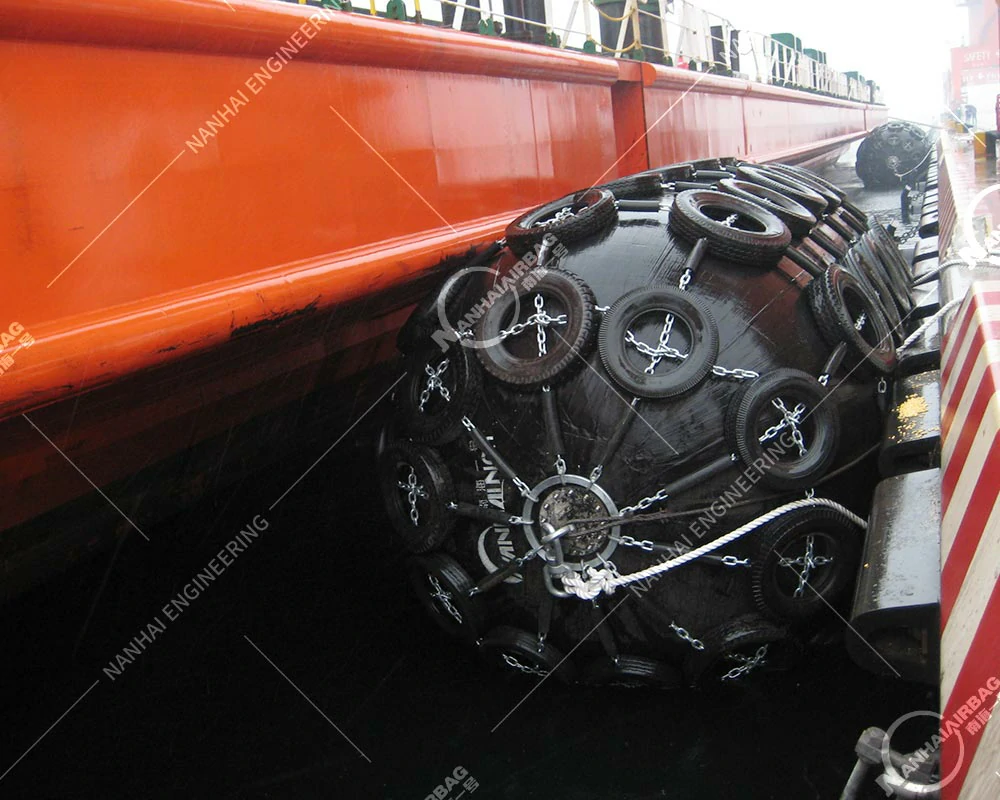

Last month, a crew at a busy Indonesian port faced a crisis: a 200m container ship was docking, but a pneumatic fender had a slow leak—losing pressure fast. Without it, the vessel risked scraping the dock (and causing millions in damage). They called a technician, but wait times were 4 hours. That’s when the port manager remembered: they could fix it themselves. Within 30 minutes, the leak was patched, pressure restored, and the ship docked safely. If you’ve ever dealt with pneumatic fender failure, you know how critical it is to master this skill—and why it matters for every marine operation.
What Is a Pneumatic Fender—and Why Fixing It Matters
Pneumatic fenders are inflatable rubber safety devices designed to absorb impact between vessels and docks (or between ships). Made from thick rubber coated with synthetic fabric, they use compressed air to distribute pressure evenly—reducing the risk of hull damage, dock destruction, and costly delays. Unlike rigid marine fenders (which crack under heavy loads) or foam fenders (which degrade over time), pneumatic fenders are flexible and resilient. But when they leak or lose pressure, they stop being a safety asset—and become a liability. Fixing them quickly isn’t just a repair job; it’s about keeping your port, crew, and cargo safe.
Why Fix a Pneumatic Fender? Cost, Speed, and Sustainability
Many operators assume pneumatic fenders are disposable—but that’s a myth. Most come with repair kits, and fixing small leaks (the most common issue) takes minutes. Take a Norwegian offshore wind farm: their crew used to replace 15 fenders yearly (12keach).Afterlearningtopatchleaks,theynowfix90160k annually. And since repairs extend the fender’s life by 3–5 years, it’s far more sustainable than trashing them. Compare that to rubber fenders: once cracked, they’re useless. Pneumatic fenders? Built to last—with a little TLC.
How to Fix a Pneumatic Fender: A 4-Step Guide
Ready to tackle a leak? Here’s what you need (and what to do):
- 1.Gather Tools & Stay Safe: You’ll need a pneumatic fender repair kit (rubber patches, adhesive, sandpaper), an air pump with a pressure gauge, soap solution (to find leaks), and gloves. Always lock out the fender (disconnect it from the dock/vessel) before working—safety first.
- 2.Find the Leak: Inflate the fender to 50% pressure, then spray the soap solution on the surface. Bubbles will form where air is escaping—mark those spots.
- 3.Repair the Damage: Lightly sand the area with 120-grit sandpaper (to rough up the rubber for better adhesion). Clean it with acetone (removes grease/dirt), then apply the rubber patch—press firmly for 2 minutes. Let it cure for 30 minutes (follow kit instructions).
- 4.Test & Re-Inflate: Inflate the fender slowly to its recommended pressure (usually 0.6–1.0 bar). Check for leaks again—if none, you’re good to go!
You Don’t Need to Be a Mechanic to Fix This
I know what you’re thinking: “I don’t have technical skills!” But fixing a pneumatic fender is easier than changing a car tire. The repair kits are designed for non-experts, and the steps are straightforward. And since pneumatic fenders are everywhere in marine ops, having this skill makes you invaluable—imagine being the person who stops a delay instead of waiting for a technician. That’s the power of knowing how to fix a pneumatic fender.
People Also Ask: Your Pneumatic Fender Questions Answered
We get these queries daily from marine pros—here’s what you need to know:
- •Q: Can I repair a punctured pneumatic fender?A: Yes—small punctures (up to 1cm) are easy with a repair kit. Larger holes may require replacing a section.
- •Q: What’s the difference between pneumatic fenders and rubber fenders?A: Pneumatic fenders use air for flexible impact absorption (ideal for curved hulls). Rubber fenders are solid and less flexible—better for small docks.
- •Q: How long does a repaired fender last?A: With proper care, a patched fender lasts 3–5 more years—same as new. Just inspect monthly.
- •Q: Are pneumatic fenders better than marine airbags?A: Different jobs: Marine airbags launch/lift ships; pneumatic fenders protect them during docking. You need both.
Final Thought: Fixing Fenders = Protecting Your Business
Pneumatic fenders are a staple of marine safety—and knowing how to fix them turns a crisis into a quick task. By repairing instead of replacing, you save money, reduce downtime, and keep your team safe. Next time a fender leaks, don’t panic—grab your kit and fix it. Your port, vessel, and bottom line will thank you.
Keywords: pneumatic fender repair, marine airbags, marine fenders, rubber fenders, marine safety equipment, how to patch a pneumatic fender
