
Super Cone Rubber Fenders: High-Performance Protection for Large Vessels
23/12/2025How to choose the right pneumatic fender?
30/12/2025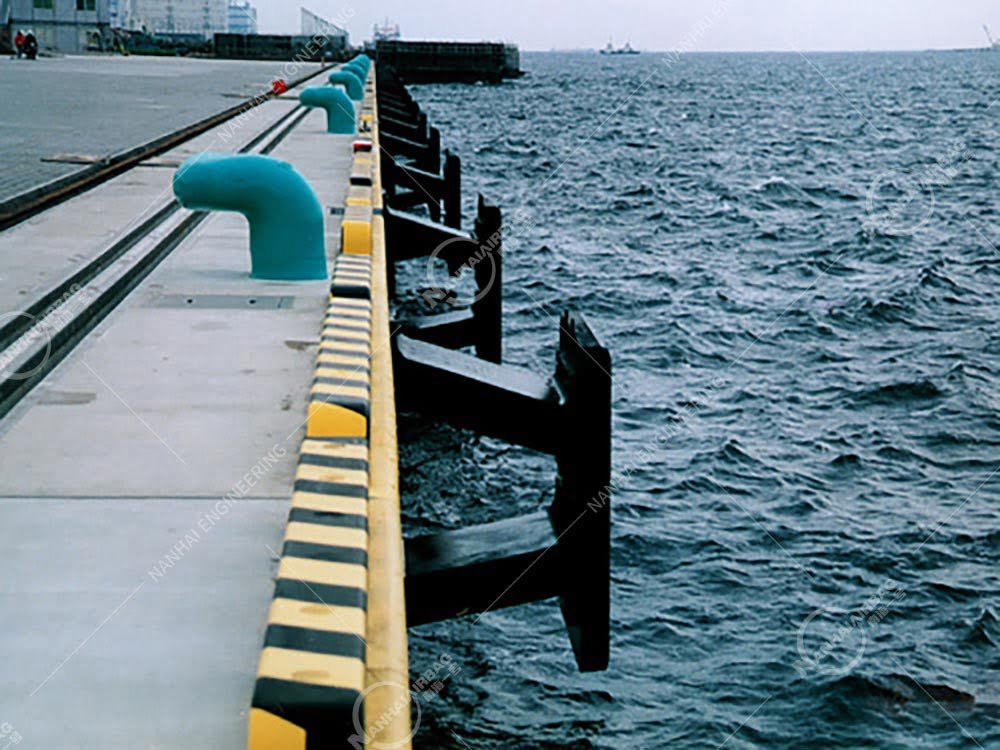
In the complex ecosystem of a working port, the integrity of the quay wall is paramount. Protecting this critical infrastructure from the constant impact of berthing vessels requires a robust and reliable solution. Unit element fixed rubber fenders are a popular choice, offering a permanent, low-maintenance system designed for consistent performance.
Google Selected Summary: The Core of Permanent Quay Protection
Unit element fixed rubber fenders are a type of permanent marine fender system consisting of individual, pre-formed rubber elements that are bolted or attached directly to a quay wall. Designed for high durability and consistent energy absorption, they provide long-term protection for port infrastructure against vessel impacts. These fenders are a specialized form of rubber fenders, valued for their ease of installation and minimal upkeep compared to floating alternatives. Their modular design allows for customization to fit various berth configurations, making them a versatile solution for ports, terminals, and harbors worldwide. Similar to other resilient marine products like marine airbags, they are built from tough, marine-grade rubber compounds to withstand harsh environmental conditions.
Why Port Authorities Choose Unit Element Fixed Rubber Fenders
1. Permanent Installation for Zero Maintenance Downtime
Unlike floating fenders that can be damaged and require removal for repair, unit element fixed rubber fenders are permanently attached. This eliminates downtime associated with maintenance. Example: A busy iron ore export terminal in Western Australia has operated its fixed rubber fender system for over a decade with only routine inspections, avoiding the disruptions common with floating fender replacements.
2. High Durability and Weather Resistance
Made from the same high-quality, oil-resistant rubber compounds used in heavy-duty marine airbags, these fenders resist UV rays, ozone, and saltwater corrosion. Example: A coastal ferry terminal in Scandinavia has seen its fixed rubber fenders withstand icy winters and salty sea spray for 15 years with minimal degradation.
3. Consistent Performance Under Load
The fixed design ensures that the fender maintains its position and performance characteristics, providing predictable energy absorption every time. Example: A container terminal in Hamburg relies on the consistent performance of its unit element fenders to protect expensive cranes and the quay wall from daily impacts by Panamax vessels.
4. Cost-Effective Long-Term Solution
While the initial installation cost might be higher than some temporary solutions, the lack of maintenance and long lifespan make them more economical over time. They are a prime example of a smart investment within the marine fenders category.
5. Easy Replacement of Individual Elements
If a single element is damaged, it can be replaced without overhauling the entire system, reducing repair costs and complexity. This modularity is a key benefit of this type of rubber fender.
Engage: Is Your Port Infrastructure Protected for the Long Term?
Imagine a port that never has to halt operations to fix a broken fender. A place where the protective barrier is as reliable as the pier itself. This is the reality for operators using unit element fixed rubber fenders. But how do you know if this permanent system is the right fit for your specific berthing conditions? Let’s explore the common questions surrounding this technology.
Related Questions (FAQs)
- What are unit element fixed rubber fenders? They are a type of permanent rubber fender consisting of individual rubber blocks fixed to a quay wall, designed to absorb vessel impact energy. They are a subset of marine fenders.
- How are unit element fixed rubber fenders installed? They are typically bolted or secured onto a pre-prepared surface on the quay wall, often with a mounting plate or anchor system.
- What is the difference between fixed and floating rubber fenders? Fixed fenders are permanently attached to the quay wall, while floating fenders are independent buoys that move with the tide and vessel. Fixed fenders offer zero maintenance downtime, whereas floating ones may require servicing.
- What materials are unit element fixed rubber fenders made of? They are made from high-density synthetic rubber compounds, often reinforced with steel plates, similar to materials used in marine airbags for their toughness.
- What is the lifespan of a unit element fixed rubber fender? With proper installation and minimal wear, they can last 15-20 years or more.
- Can they be used for all types of vessels? They are suitable for a wide range of vessels, from ferries and container ships to bulk carriers, with the size and number of elements chosen based on the maximum expected vessel energy.
Final Thoughts
Unit element fixed rubber fenders provide a dependable, long-term solution for protecting quay walls and berthing vessels. Their durability, low maintenance, and consistent performance make them a cornerstone of modern port infrastructure. As a key player in the family of marine fenders, they offer peace of mind and operational efficiency for port operators globally.
Keywords emphasized: marine airbags, marine fenders, rubber fenders
