
Donut Fenders: The Ultimate Guide to Marine Protection
10/03/2026D Shaped Rubber Fenders: The Ultimate Maritime Collision Defense
17/03/2026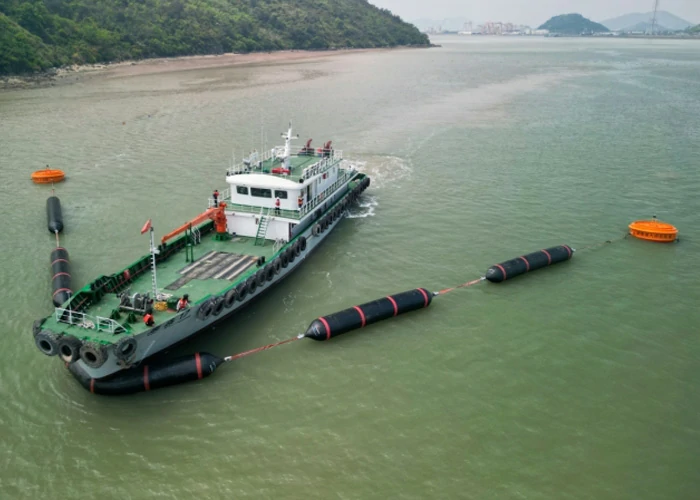
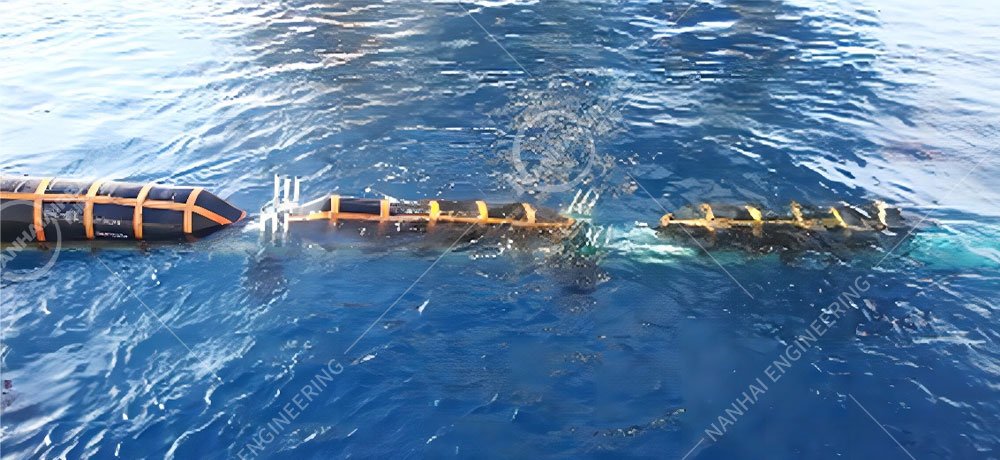
Buoyancy airbags, a critical component of marine safety and operations, are inflatable, durable devices designed to provide buoyancy, assist in vessel salvage, launching, and marine structure protection. Unlike traditional rubber fenders or standard marine airbags, buoyancy airbags offer adjustable buoyancy, exceptional load-bearing capacity, and versatile applications—from lifting sunken vessels to supporting marine construction projects. Suitable for commercial ports, salvage teams, shipyards, and offshore operations, buoyancy airbags work seamlessly alongside marine fenders and rubber fenders to create a comprehensive marine safety system. This guide covers everything you need to know about buoyancy airbags, including their key advantages, real-world applications, maintenance tips, and how they complement other marine equipment like marine airbags and rubber fenders.
In the marine industry, reliable buoyancy and protection are non-negotiable—and buoyancy airbags stand out as a flexible, high-performance solution that addresses unique challenges no other marine equipment can. While rubber fenders excel at absorbing collision impact during berthing and standard marine airbags are used for basic vessel launching, buoyancy airbags fill a critical gap by offering adjustable lift, heavy-duty load support, and adaptability to extreme marine conditions. Their inflatable design isn’t just convenient—it’s an engineering breakthrough that simplifies complex marine tasks, reduces operational costs, and enhances safety. Let’s explore the core advantages of buoyancy airbags, backed by real-world examples that showcase why they’re a must-have for marine professionals worldwide.
One of the most impactful advantages of buoyancy airbags is theiradjustable buoyancy and heavy load-bearing capacity. Unlike fixed marine fenders or rigid buoyancy devices, buoyancy airbags can be inflated to varying pressures to achieve precise lift, making them ideal for salvage operations and heavy lifting. For example, during the “Sewol Ferry” salvage project, 3.5-meter diameter buoyancy airbags were used as key assist tools to stabilize the hull and support the lifting process, demonstrating their ability to handle extreme loads. In another case, China’s Ministry of Transport successfully used buoyancy airbags to lift a sunken vessel by inflating the bags to 3bar pressure, generating over 1500T of lifting force per 9-meter airbag—proving their capability to handle even the heaviest marine assets. This adjustability also makes them perfect for adjusting the buoyancy of floating structures, such as floating docks or marine platforms.
Another standout benefit is their versatility across marine applications, from salvage and launching to construction and protection. Buoyancy airbags aren’t limited to a single task—they can be used to launch vessels (even large 55,000-ton ocean bulk carriers), salvage sunken ships, support underwater construction, and even assist in marine fender systems by providing additional buoyancy. For instance, a shipyard in Singapore used buoyancy airbags to launch a 10,000-ton cargo vessel, replacing traditional slipways and reducing launch costs by 40%. Unlike rubber fenders, which are primarily for collision protection, buoyancy airbags offer multi-functional value, making them a cost-effective investment for marine operations of all sizes. They can also be used alongside marine fenders to provide extra stability for berthing vessels in rough waters.
Buoyancy airbags also offer easy storage, transport, and installation—a game-changer for marine teams working in remote or dynamic environments. When deflated, these airbags are lightweight, foldable, and compact, allowing them to be transported in small vehicles or even helicopters to hard-to-reach locations. Unlike bulky rubber fenders or rigid buoyancy devices, which require heavy machinery to transport and install, buoyancy airbags can be inflated on-site with standard air compressors in minutes. A coastal salvage team in Australia reported that they could deploy buoyancy airbags to a sunken fishing vessel within 2 hours of arriving on the scene—significantly faster than using traditional lifting equipment. This ease of use also reduces labor costs and minimizes operational downtime, a critical advantage in time-sensitive marine operations.
Durability and resistance to harsh marine conditions are additional key advantages of buoyancy airbags. Constructed with high-strength rubber or polyurethane, reinforced with nylon or polyester fibers, they are resistant to saltwater corrosion, punctures, and extreme temperatures—outperforming many standard marine airbags and rubber fenders. Unlike some marine airbags that require frequent pressure checks, buoyancy airbags are designed for long-term use in harsh environments, with minimal maintenance. A port in the Middle East reported that their buoyancy airbags retained their functionality for over 8 years with only occasional cleaning and inspection—longer than many rubber fenders, which typically need replacement every 5-7 years. This durability ensures a strong return on investment for commercial marine operations.
Curious about how buoyancy airbags compare to standard marine airbags or rubber fenders? Or maybe you’re wondering which size and type of buoyancy airbag is right for your specific marine task? Keep reading to discover the different types of buoyancy airbags, their applications in salvage, launching, and construction, maintenance tips to extend their lifespan, and expert insights on how to integrate them with marine fenders and rubber fenders for comprehensive marine safety. Whether you’re a salvage professional, shipyard manager, or port operator, understanding buoyancy airbags will help you streamline operations, reduce costs, and enhance safety in every marine task.
Related Questions About Buoyancy Airbags
- What is a buoyancy airbag, and how does it differ from marine airbags and rubber fenders?
- How do buoyancy airbags work to lift sunken vessels or support marine structures?
- What size buoyancy airbag do I need for vessel salvage or launching?
- Can buoyancy airbags be used alongside marine fenders and rubber fenders for comprehensive protection?
- How do I inflate, install, and maintain buoyancy airbags to maximize their lifespan?
- What materials are buoyancy airbags made of, and how durable are they in saltwater environments?
- Are buoyancy airbags suitable for launching large commercial vessels or only small boats?
- How much weight can a buoyancy airbag support, and how is this calculated?
- Do buoyancy airbags require special equipment for inflation and deployment?
- Are buoyancy airbags more cost-effective than traditional marine lifting or buoyancy solutions?
Buoyancy airbags are more than just inflatable devices—they’re a versatile, cost-effective solution that transforms marine operations, from salvage to launching and beyond. Unlike rubber fenders that focus solely on collision protection or standard marine airbags with limited lift capacity, buoyancy airbags offer adjustable buoyancy, heavy load support, and easy deployment, making them indispensable for modern marine professionals. When integrated with marine fenders and rubber fenders, they create a complete marine safety and operational system that addresses every challenge of the marine environment. To learn more about choosing the right buoyancy airbag for your needs, continue exploring our guide or consult a marine equipment expert for personalized advice.
