
Foam Filled Fenders: The Unsinkable, Zero-Maintenance Solution for Critical Marine Protection
02/07/2026W Rubber Fender: The Cost-Effective Workhorse for Small-to-Medium Berths
09/07/2026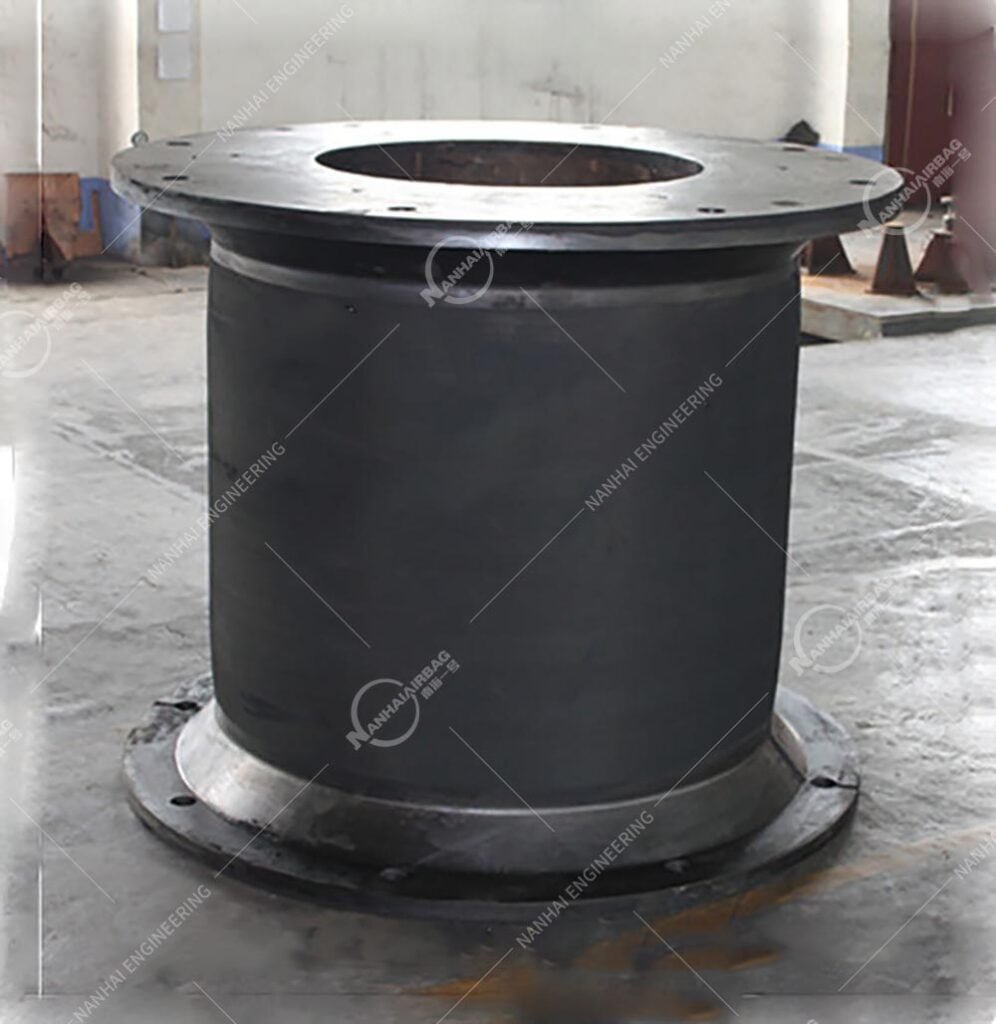

🧲 Google-Selected Summary (Featured Snippet Optimized)
A Super Cell Rubber Fender is a compression-type marine fender with a hollow cylindrical (“cell”) structure that delivers one of the highest energy absorption-to-reaction-force ratios in the industry. Engineered for high-impact berthing, it is widely used on container terminals, oil jetties, and naval docks where large vessels dock at steep angles. Compared with conventional marine fenders, the super cell design minimizes hull pressure while maximizing energy dissipation—making it a go-to solution alongside marine airbags and other rubber fenders in modern port infrastructure.
Why Port Engineers Are Switching to Super Cell Fenders
If you’ve ever watched a 200,000 DWT container ship come alongside a wharf, you know the forces involved are brutal. Traditional fenders often force you into a trade-off: absorb enough energy but crush the hull, or play it safe and risk wharf damage. The Super Cell Rubber Fender breaks that compromise.
Here’s what makes it different—and why it matters for your next project.
🔑 Advantage 1: Exceptional Energy-to-Reaction Ratio
The super cell’s hollow cylindrical geometry compresses evenly under load, spreading impact forces across the fender body instead of concentrating them at a single point.
Example: At a major LNG terminal in Southeast Asia, engineers replaced old conical fenders with SC-type super cells. The result? Energy absorption increased by ~35% while reaction force stayed within hull-pressure limits. That meant fewer wharf repairs and zero hull-paint claims over 18 months.
🔑 Advantage 2: Stable Performance at High Compression (Up to 70%+)
Most rubber fenders start to lose efficiency past 50% compression. Super cells keep their load-deflection curve predictable well beyond that.
Example: On a naval dock handling aircraft carriers, the berthing angle can swing ±10° during tidal shifts. Super cells maintained consistent performance even at 72% deflection—something standard marine fenders simply couldn’t guarantee.
🔑 Advantage 3: Modular Frontal Panels Reduce Hull Wear
Pair a super cell with an UHMW-PE frontal panel and you slash friction between fender and vessel. For ports already using marine airbags for dry-dock launching, this same “low-friction, high-protection” philosophy carries over to the berth itself.
🔑 Advantage 4: Longevity in Brutal Environments
Between UV, salt spray, and ozone, marine environments chew through cheap rubber in 3–5 years. Super cell fenders use high-tensile natural/SBR blends with anti-aging compounds rated for 15+ year service life in tropical conditions.
How Super Cell Fits Into Your Marine Fender Portfolio
No single fender solves every problem. Here’s the quick decision map most consultants use:
| Fender Type | Best For | Energy Absorption | Reaction Force |
|---|---|---|---|
| Super Cell (SC) | Container terminals, oil jetties, naval | ⭐⭐⭐⭐⭐ | Low–Medium |
| Cone Fender | Medium–large berths | ⭐⭐⭐⭐ | Medium |
| Cylindrical (GD) | General cargo, small piers | ⭐⭐⭐ | Low |
| Arch / V-type | Barge docks | ⭐⭐ | Low |
And don’t forget: marine airbags aren’t competitors here—they’re complements. While rubber fenders protect the berth, airbags handle launching, docking, and heavy lifting on the slipway. A well-designed shipyard specs both.
Related Questions (People Also Ask)
Q1: What’s the difference between a Cell Fender and a Super Cell Fender?
A standard Cell Fender has a simpler compression profile and lower max compression tolerance. The Super Cell is an evolved design with reinforced ribs and a wider operating deflection range—typically 10–15% higher energy absorption at the same reaction force.
Q2: How do I size a Super Cell Rubber Fender for my berth?
You’ll need: vessel DWT, berthing angle, tide range, and allowable hull pressure. Most suppliers provide a selection table (SC600 → SC1000 → SC1600, etc.). Rule of thumb: SC1000 handles ~1,000 kN·m energy; scale from there.
Q3: Can Super Cell fenders be used with pneumatic fenders together?
Yes. It’s common at multi-user terminals to mount super cells on the fixed quay wall while using floating pneumatic fenders for visiting VLCCs that exceed design limits.
Q4: What standards apply to Super Cell Rubber Fenders?
Look for PIANC 2002 / 2014 guidelines, OCIMF for tanker jetties, and ISO 17357-1:2014 if you’re cross-referencing with pneumatic systems.
Q5: Are Super Cell fenders better than marine airbags for dock protection?
They serve different jobs. Rubber fenders (super cell included) stay mounted on the wharf for continuous protection. Marine airbags are portable, used for launching, landing, and heavy lifting—not permanent berth defense. You usually need both in a complete marine setup.
Final Thought
Specifying the right fender isn’t glamorous—until a 180,000 DWT ship misses the dock and your old cones collapse. Super Cell Rubber Fenders earn their keep by giving you margin: more energy absorbed, less hull punished, longer life in the salt. If your terminal is pushing toward larger vessels or steeper berthing angles, it’s worth running the numbers.
Need a quick SC-size recommendation for your pier? Drop your vessel DWT and berthing angle in the comments—happy to help you sanity-check the spec.
