
Roller Rubber Fenders: The Smart Solution for Precision Berthing and Vessel Protection
14/04/2026D Rubber Fenders: The Space-Saving, High-Performance Workhorse for Modern Marinas
21/04/2026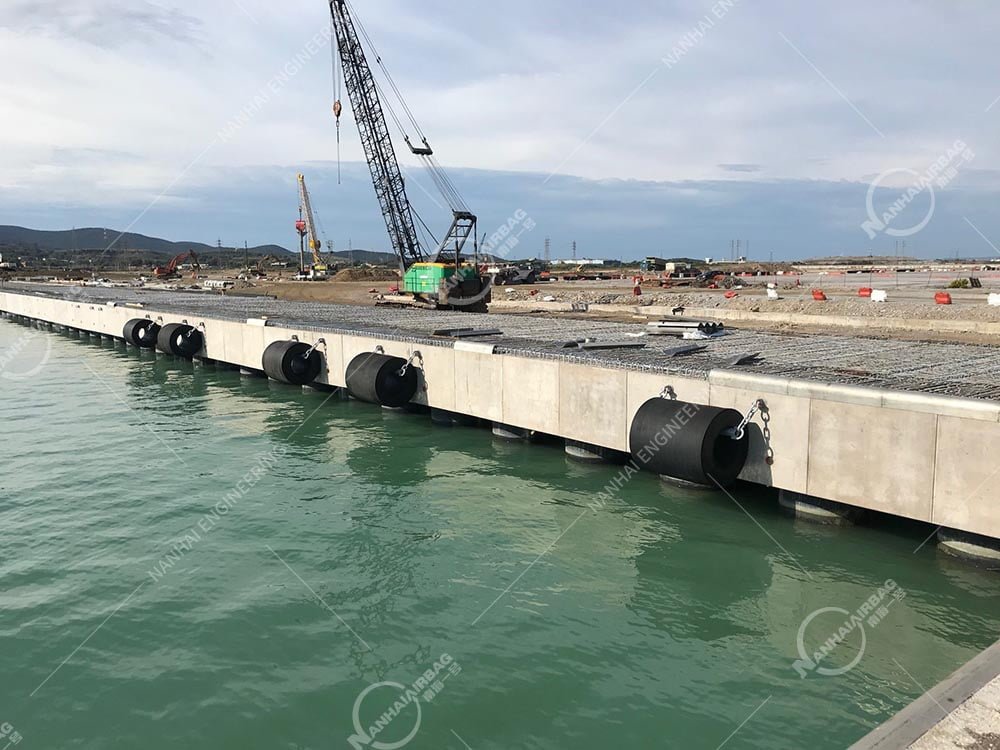
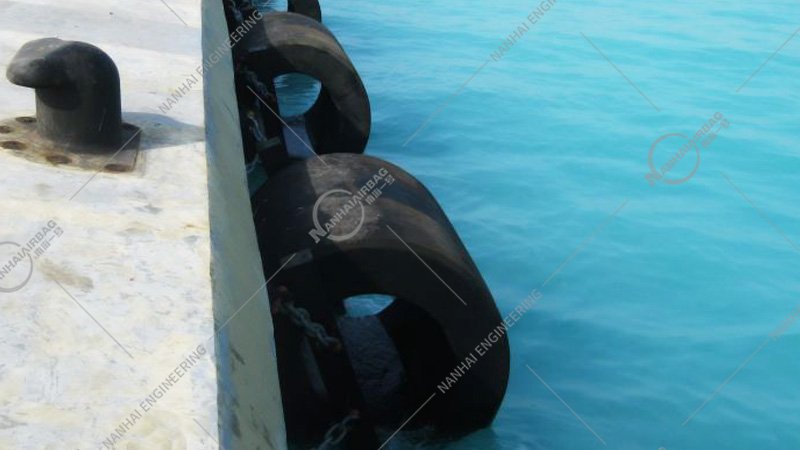
In the world of maritime infrastructure, where vessels of all sizes navigate complex docking scenarios, Cylindrical Rubber Fenders have stood the test of time as the foundational solution for impact protection. As one of the first engineered rubber fender types with precise performance specifications, these versatile cylindrical tubes continue to be the go-to choice for ports, terminals, and vessel operators worldwide. Their simple yet effective design provides reliable protection across diverse applications—from small fishing harbors to major commercial ports—offering a perfect balance of performance, durability, and cost-effectiveness that has made them an industry standard for decades.
The Enduring Reliability of Cylindrical Fenders
Cylindrical Rubber Fenders are marine fenders featuring a hollow cylindrical tube design that provides 360° force distribution and proportional energy absorption up to rated deflection. Engineered as one of the first rubber fender types with precise performance specifications, they offer straightforward installation using chains, bars, ropes, or ladder brackets depending on size and substructure requirements. With diameters ranging from 150mm to 3000mm and lengths up to 6 meters, these fenders deliver reliable protection for vessels from small fishing boats to medium-sized cargo ships, effectively handling berthing energies in low to medium tidal zones. Their robust construction withstands harsh marine environments including salt spray, UV exposure, and temperature fluctuations from -45°C to +75°C, while maintaining flexibility and structural integrity. As a fundamental category within rubber fenders, they complement specialized solutions like marine airbags (used for ship launching/salvage) by providing versatile, cost-effective impact protection for everyday berthing operations.
Why Cylindrical Rubber Fenders Remain the Industry Standard
1. Proven Cost-Effectiveness and Value
Cylindrical fenders offer exceptional value with both affordable initial purchase prices and minimal ongoing maintenance costs compared to more complex fender systems .
Example: Small ports and fishing harbors with budget constraints have standardized on cylindrical fenders, achieving 40% lower total ownership costs over 10-year periods compared to specialized fender types .
2. Simple Installation and Maintenance
The straightforward design allows for easy installation, replacement, or adjustment as berth conditions change, with multiple mounting options including chain rigs, ladder brackets, and bar suspensions .
Example: Port operators can complete cylindrical fender replacements in hours rather than days, minimizing vessel downtime and keeping operations running smoothly .
3. Proportional Energy Absorption
Cylindrical fenders proportionally increase reaction force and energy absorption up to their rated deflection, creating a smoother berthing experience that reduces damage risks .
Example: Testing shows cylindrical fenders can reduce peak impact loads by up to 65% through their 360° force distribution, effectively protecting both vessels and docking structures .
4. Exceptional Durability in Harsh Environments
Crafted from proprietary blends of natural rubber, SBR (Styrene-Butadiene Rubber), and anti-oxidant additives, these fenders resist degradation from UV exposure, oil spills, and saltwater corrosion .
Example: Cylindrical fenders at Arctic ports have maintained performance for 15+ years despite temperatures ranging from -45°C to +75°C, demonstrating remarkable environmental resilience .
5. Versatile Applications Across Maritime Sectors
- Small ports and fishing harbors: Protect wooden piers and simple quay walls from daily berthing impacts
- Tugboats and workboats: Mounted on hulls to absorb contact forces during pushing or pulling maneuvers
- Barge berths and private docks: Provide protective buffers for floating pontoons and mooring points
- General cargo jetties and RoRo terminals: Handle diverse vessel types with consistent performance
- Offshore energy platforms: Shield oil rigs, LNG platforms, and floating storage units from vessel impacts
6. Customizable Solutions for Specific Needs
Available in diameters from 200mm to 2000mm with lengths up to 6 meters, cylindrical fenders can be tailored with specific compression rates (30%–60%) and hardness levels (Shore A 50–75) to match vessel displacement and berthing velocity requirements .
Engage: Are You Overcomplicating Your Marine Protection Strategy?
Imagine your port facing increasing vessel traffic with limited maintenance budgets. Complex fender systems might offer specialized features but come with higher costs and installation challenges—while cylindrical fenders provide reliable, cost-effective protection that’s easy to maintain and adapt as your needs evolve. How much could your operation save in installation time, maintenance costs, and vessel downtime by choosing this proven solution? Explore the technical specifications and real-world applications below to discover why cylindrical fenders remain the preferred choice for maritime professionals worldwide.
Related Questions (FAQs)
- What are Cylindrical Rubber Fenders? They are marine fenders with a hollow cylindrical tube design that provides 360° force distribution and proportional energy absorption, typically installed horizontally or vertically using chains, bars, or brackets .
- How do cylindrical fenders differ from D-type fenders? Cylindrical fenders are round tubes offering uniform energy absorption ideal for varying ship sizes, while D-type fenders (flat on one side) provide more energy absorption per volume and are often used on vessels’ hulls .
- What are the main advantages of cylindrical fenders? Key benefits include cost-effectiveness, easy installation and maintenance, robust construction for superior abrasion resistance, and proportional energy absorption up to rated deflection .
- Where are cylindrical fenders typically used? Common applications include general cargo jetties, RoRo and ferry terminals, fishing and tug berths, pontoons and floating structures, bulk cargo berths, and offshore energy platforms .
- Can cylindrical fenders be used on tugboats? Yes, many tugboats—especially smaller ones—use cylindrical bow/stern fenders due to their compact size and linear impact absorption capabilities .
- How are cylindrical fenders installed? They can be hung with chains through a hollow core, bolted with ladder brackets, or suspended on bars, depending on size; smaller fenders use chain rigs while larger ones often require brackets .
- What sizes are available for cylindrical fenders? Standard diameters range from 150mm to 3000mm with lengths from 2 to 6 meters, customizable to meet specific project requirements .
- How do cylindrical fenders compare to marine airbags? Marine airbags are primarily used for ship launching, lifting, and salvage operations, while cylindrical fenders are permanent installations for berthing protection. Both are important marine fenders but serve different purposes .
Final Thoughts
Cylindrical Rubber Fenders represent the foundational technology in marine impact protection—proven, reliable, and cost-effective solutions that have served the maritime industry for generations. While specialized fender types address specific challenges, and marine airbags handle unique lifting applications, cylindrical fenders excel in everyday berthing operations across diverse maritime environments. Their simplicity, durability, and versatility make them the workhorse of port protection systems, delivering consistent performance that protects both vessel investments and port infrastructure. For operators seeking practical, economical solutions without compromising on safety or reliability, cylindrical fenders offer timeless value that continues to meet the evolving needs of modern maritime operations.
Keywords emphasized: marine airbags, marine fenders, rubber fenders, cylindrical rubber fenders, port protection, berthing fenders, marine safety equipment.
