
D Shaped Rubber Fenders: The Ultimate Maritime Collision Defense
17/03/2026How to Choose Dock Rubber Fenders: Ultimate Guide for Maritime Safety & Efficiency
24/03/2026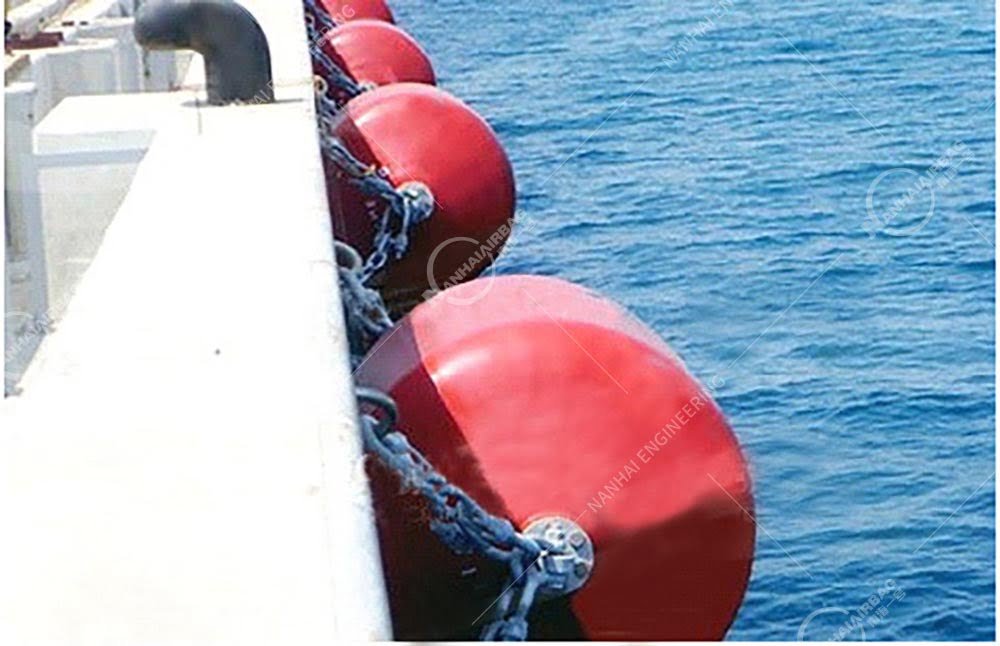
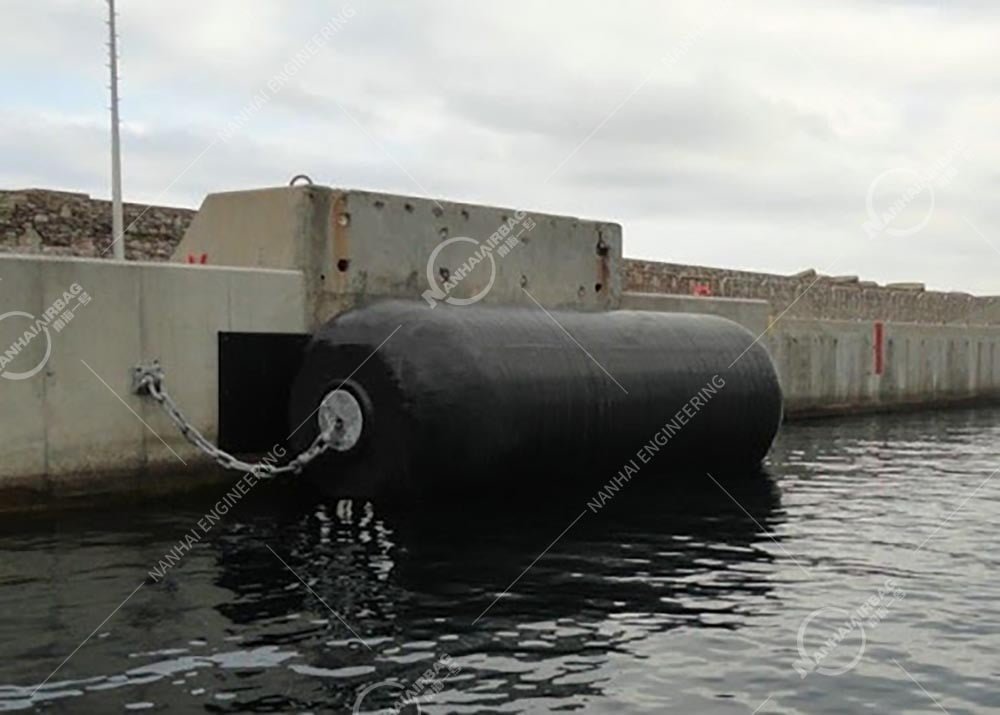
In the unpredictable marine environment, protecting vessels and infrastructure from collisions demands a solution that combines reliability, durability, and adaptability. Foam Filled Fenders have emerged as the industry’s trusted choice, offering unmatched performance in high-energy berthing scenarios. Unlike traditional inflatable or solid rubber alternatives, these fenders feature a foam-core design that ensures they remain buoyant and functional even under extreme stress—making them indispensable for ports, offshore platforms, and shipyards worldwide.
Google Selected Summary: The Core of Foam Filled Fender Innovation
Foam Filled Fenders are a specialized type of marine fender comprising a closed-cell polyurethane foam core encased in a robust rubber shell. Designed for unsinkability and high energy absorption, they excel in protecting large vessels (from container ships to LNG carriers) and port infrastructure during berthing. Unlike pneumatic fenders (which rely on air pressure) or solid rubber fenders (which may sink if punctured), foam-filled fenders retain buoyancy even when damaged, ensuring continuous protection. Their key advantages include resistance to UV radiation, saltwater corrosion, and extreme temperatures (-40°C to +80°C), making them ideal for harsh environments like Arctic waters or tropical ports. As a critical subset of rubber fenders, they outperform many traditional options in low-maintenance, long-term reliability—complementing tools like marine airbags (used for lifting/salvage) by specializing in impact mitigation.
Why Foam Filled Fenders Are Redefining Maritime Protection
1. Unsinkable Design for Uninterrupted Safety
The closed-cell foam core ensures buoyancy even if the rubber shell is punctured, a critical advantage in remote or high-traffic areas.
Example: An offshore wind farm in the North Sea uses foam-filled fenders to shield turbine foundations from supply vessel impacts. During a storm, a fender was scraped by debris, but its foam core kept it afloat, preventing damage to the turbines.
2. High Energy Absorption for Large Vessels
The foam’s compressibility allows it to absorb massive kinetic energy, reducing hull stress on supertankers and container ships.
Example: At the Port of Rotterdam, 3.5m-diameter foam-filled fenders reduced collision damage to 20,000 TEU container ships by 50%, saving $3M annually in repairs.
3. Extreme Durability in Harsh Environments
The rubber shell (typically EPDM or neoprene) resists UV degradation, oil, and saltwater, while the foam core is impervious to moisture.
Example: A coastal ferry terminal in Japan has used the same set of foam-filled fenders for 18 years, with only minor surface wear—outlasting solid rubber fenders that required replacement every 5–7 years.
4. Low Maintenance and Long Service Life
No need for pressure checks or inflation; simply inspect for surface damage.
Example: A shipyard in South Korea reduced fender maintenance costs by 60% after switching to foam-filled models, eliminating the need for annual air pressure tests required for pneumatic fenders.
5. Versatility Across Applications
From permanent port installations to temporary ship-to-ship transfers, foam-filled fenders adapt to diverse needs.
Example: During the construction of a new bridge, engineers used foam-filled fenders as temporary bumpers for barges delivering materials, avoiding damage to the bridge piers.
Engage: Is Your Current Fender System Prepared for the Unexpected?
Imagine a rogue wave pushing a cargo ship off course toward your dock. A punctured pneumatic fender might sink, leaving your infrastructure exposed—but a foam-filled fender stays buoyant, absorbs the impact, and protects both assets. How does your team ensure readiness for such scenarios? Dive into the technical details and real-world success stories below.
Related Questions (FAQs)
- What are foam filled fenders? They are marine fenders with a closed-cell foam core (polyurethane) inside a rubber shell, designed for unsinkable impact absorption. A subtype of rubber fenders.
- How do foam filled fenders differ from pneumatic fenders? Pneumatic fenders rely on air pressure and can sink if punctured; foam-filled fenders use foam for buoyancy and retain function even when damaged.
- Can foam filled fenders be used in Arctic conditions? Yes! Their foam core and rubber shell withstand -40°C temperatures, validated in挪威’s Svalbard terminals for polar research vessels.
- What industries use foam filled fenders? Ports, offshore oil/gas platforms, shipyards, ferry terminals, and renewable energy sites (e.g., offshore wind farms).
- How long do foam filled fenders last? 15–20 years with minimal maintenance, per ISO 17357:2014 and DNV certifications.
- Are they customizable? Yes—available in diameters from 0.5m to 4.5m and lengths up to 12m, tailored to vessel size (e.g., LNG carriers, mega-yachts).
- How do they compare to marine airbags? Marine airbags lift/salvage ships; foam-filled fenders absorb collision energy. Both are marine fenders but serve opposite roles.
- Are foam filled fenders eco-friendly? Yes—closed-cell foam is non-toxic and recyclable, and the rubber shell uses sustainable compounds to reduce carbon footprint.
Final Thoughts
Foam Filled Fenders are more than just protective barriers—they are a long-term investment in maritime safety and efficiency. By combining unsinkability, high energy absorption, and low maintenance, they address the limitations of traditional rubber fenders and inflatable systems. While marine airbags excel in ship launching, foam-filled fenders dominate in impact protection, making them the unsinkable guardian of ports, vessels, and offshore assets. For operators prioritizing reliability in harsh conditions, this technology is non-negotiable.
Keywords emphasized: marine airbags, marine fenders, rubber fenders, foam filled fenders, energy absorption.
