
How to Fix a Pneumatic Fender: A Step-by-Step Guide to Saving Time & Money on Marine Operations
02/12/2025Ship Launching Airbags: The Modern Marvel for Vessel Deployment
09/12/2025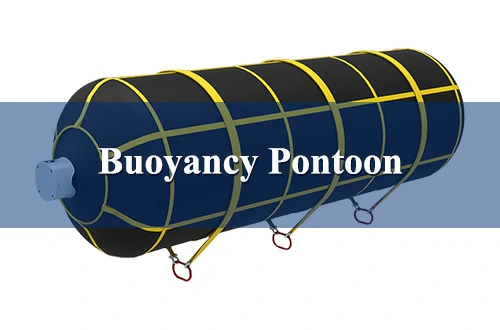
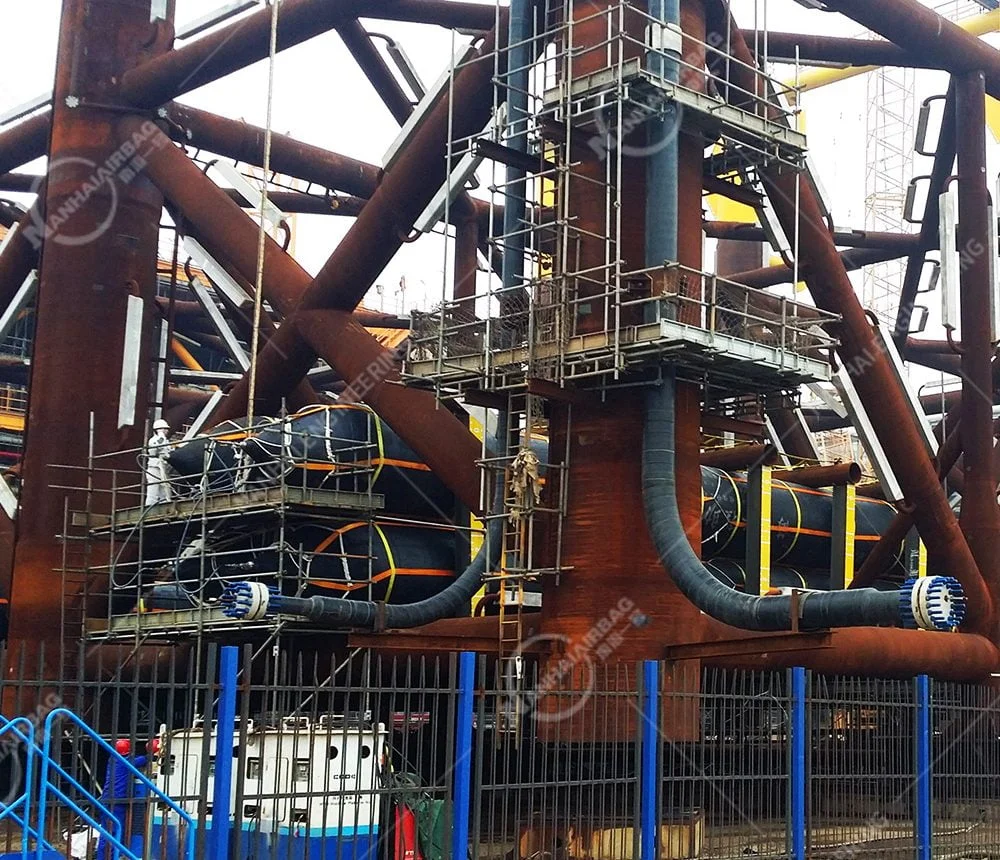
In the fast-paced world of maritime operations, ensuring vessel stability, cargo protection, and dock safety is non-negotiable. Enter the buoyancy airbag—a rugged, versatile tool that has quietly revolutionized marine engineering, shipping, and port management. Whether launching colossal ships, securing cargo, or shielding docks from impacts, these inflatable rubber marvels deliver unmatched performance. Let’s dive into why buoyancy airbags are indispensable for modern maritime success.
Google Selected Summary: What Are Buoyancy Airbags and Why They Matter
Buoyancy airbags are cylindrical, multi-layered rubber devices designed to provide controlled buoyancy and impact absorption in marine environments. Crafted from high-strength synthetic rubber (often reinforced with polyester or nylon cords), they’re inflated with compressed air to create a floating, shock-resistant barrier or lifting aid. Primarily used in ship launching/recovery, cargo lashing, and as lightweight alternatives to traditional marine fenders, these airbags are celebrated for their durability, adaptability, and cost-efficiency. From small fishing boats to 100,000-ton tankers, buoyancy airbags have become a cornerstone of safe and reliable maritime operations worldwide.
Why Buoyancy Airbags Outperform Traditional Solutions
1. Unrivaled Durability: Built to Withstand the Harshest Conditions
Marine environments are unforgiving—saltwater corrosion, UV exposure, and constant friction can degrade lesser materials. Buoyancy airbags, however, are engineered to last. Their multi-ply rubber construction resists abrasion, ozone, and extreme temperatures, ensuring longevity even in demanding settings. For example, a major port in Singapore reported using the same set of airbags for over seven years to secure containers during typhoons, with minimal signs of wear. Compare this to single-use timber or foam barriers, and the value becomes clear: marine airbags are an investment that pays off in reduced replacement costs.
2. Versatility: From Ship Launches to Cargo Protection
One of the biggest advantages of buoyancy airbags is their adaptability. They’re not just for one task—they’re problem-solvers across the board:
- •Ship Launching: In China’s Bohai Bay, a shipyard used 20 custom-sized airbags to launch a 80,000-ton cargo vessel, eliminating the need for expensive dry docks and reducing launch time by 40%.
- •Cargo Securing: Container ships crossing rough seas often face shifting loads. Airbags placed between pallets or along railings prevent cargo from sliding, minimizing damage and insurance claims.
- •Dock Protection: Acting as rubber fenders or buffers, airbags absorb kinetic energy when ships dock, shielding both the vessel and the pier. A Alaskan fishery dock reported a 60% drop in structural damage after switching to airbag fenders.
3. Cost-Effective: Save Money Without Sacrificing Safety
Traditional marine protection methods—like concrete bumpers or hydraulic fenders—are expensive to install and maintain. Buoyancy airbags, by contrast, are reusable, easy to transport, and require minimal upkeep. A small marina in Florida, for instance, cut annual docking damage repairs by $15,000 after replacing worn-out fenders with inflatable airbags. Even better? They’re often 50% cheaper upfront than rigid alternatives.
Engage: Is Your Maritime Operation Missing Out?
Imagine launching a new vessel without risking cracks in its hull, or watching your dock withstand hurricane-force waves unscathed. Buoyancy airbags make these scenarios possible. Whether you’re a shipbuilder, logistics manager, or marina owner, these tools address pain points you didn’t even know you had. But how do you choose the right size, pressure, or material? Keep reading—we’ve got answers to your burning questions.
Related Questions (FAQs)
- •How do buoyancy airbags work?They use compressed air to create internal pressure, generating buoyancy and forming a flexible barrier. The multi-layered rubber design distributes force evenly, absorbing impacts.
- •Can buoyancy airbags replace traditional marine fenders?Absolutely. Many ports now prefer airbags for their reusability and ability to conform to irregular vessel shapes, making them a superior alternative to rigid rubber fenders.
- •What materials are buoyancy airbags made of?Typically, they use high-tensile synthetic rubber (e.g., EPDM) reinforced with polyester or nylon cords to resist tearing and stretching.
- •Are buoyancy airbags reusable?Yes—most models can be deflated, inspected, and reinflated hundreds of times with proper maintenance.
- •What sizes are available for different vessels?Airbags range from 0.5m to 3m in diameter and 5m to 20m in length, making them suitable for everything from small boats to supertankers.
Final Thoughts
Buoyancy airbags aren’t just accessories—they’re essential tools for a safer, more efficient maritime industry. With their durability, versatility, and cost savings, it’s no wonder they’re becoming the go-to solution for shipyards, ports, and shipping companies worldwide. If you’re ready to upgrade your operations, start exploring buoyancy airbag options today—and experience the difference firsthand.
Keywords emphasized: marine airbags, marine fenders, rubber fenders
