
What Are the Applications of Buoyancy Rubber Airbags?
01/01/2026How to Choose Tugboat Fenders: Essential Guide for Maritime Safety & Efficiency
08/01/2026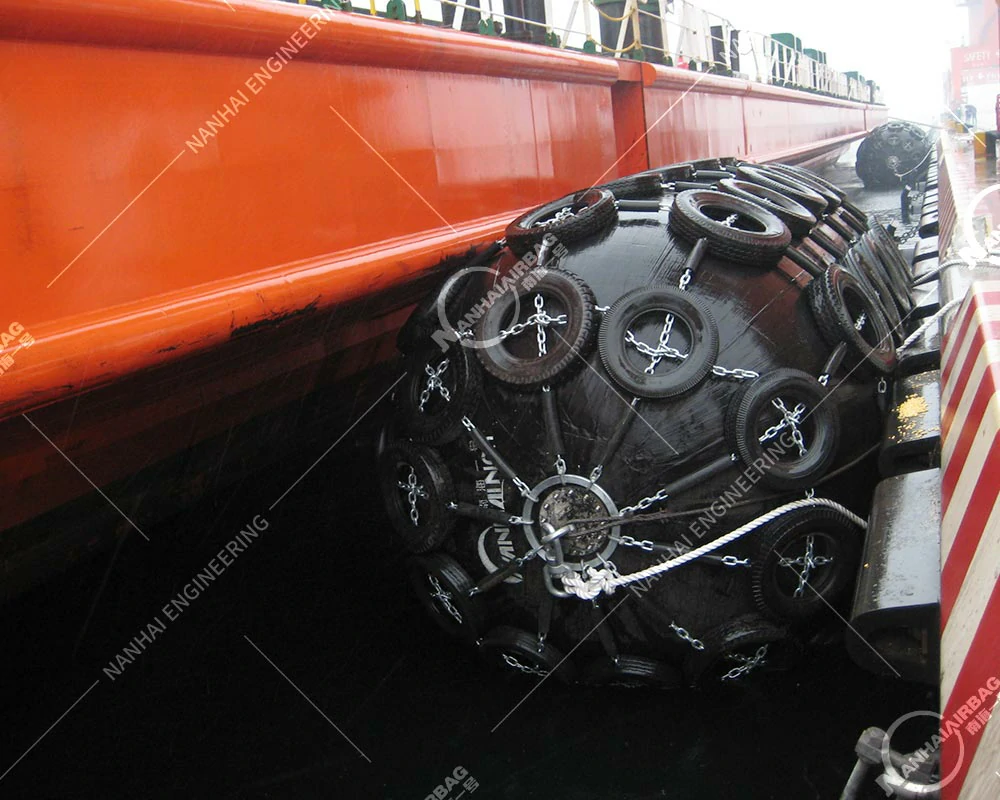
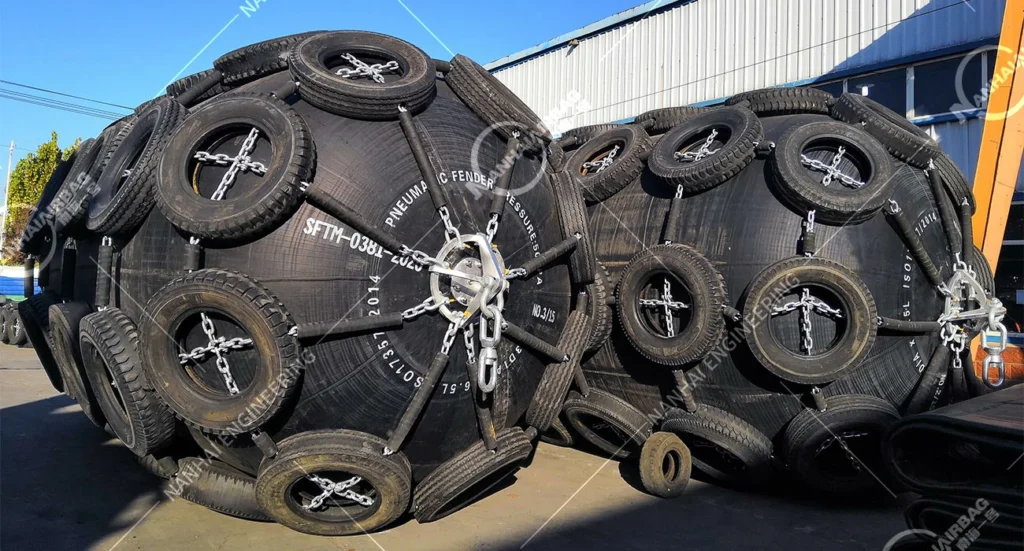
Yokohama fenders are the gold standard for marine collision protection, combining lightweight durability, adaptive energy absorption, and long-term reliability. Designed for ship-to-ship (STS) operations and dock berthing, these pneumatic rubber fenders use compressed air to cushion impacts while maintaining low hull pressure. Their multi-layer synthetic cord reinforcement resists abrasion, UV exposure, and extreme temperatures, making them ideal for global maritime applications—from Arctic oil rigs to tropical cargo ports. With ISO 17357 compliance and customizable sizes (500mm–4,500mm diameter), Yokohama fenders adapt to vessels ranging from fishing boats to LNG carriers. Choosing the right model hinges on vessel tonnage, docking conditions, and energy absorption needs, ensuring optimal safety and cost savings.
Why Yokohama Fenders Outperform Traditional Solutions
Marine airbags and rubber fenders often fail under heavy loads or repetitive stress. Yokohama’s pneumatic design eliminates these risks with:
- Dynamic Pressure Adjustment: Unlike rigid fenders, Yokohama’s air-filled chambers allow real-time pressure adjustments for uneven tides or angled berthing. For example, a 200m LNG tanker docking in Singapore’s Port of Tuas uses Yokohama fenders to absorb 1,500 kNm of energy while keeping hull pressure below 150 kPa.
- Shear Resistance: The synthetic cord layer (24–36 warp threads/cm²) resists lateral forces during cross-current docking. A case study from Maersk’s Arctic operations showed Yokohama fenders reduced shear stress by 40% compared to foam-filled alternatives.
- Low Maintenance: With 24-month warranties and 10+ year lifespans, Yokohama minimizes downtime. Ports like Rotterdam report 60% fewer replacements versus traditional rubber fenders.
4 Critical Factors When Selecting Yokohama Fenders
1. Vessel Size & Tonnage
Yokohama’s size chart (e.g., 3,300mm×6,500mm for 300,000 DWT tankers) ensures optimal energy absorption. A 50,000-ton cargo ship requires a 1.5m×2.5m fender, while a 200,000-ton LNG carrier needs 3.3m×6.5m units.
2. Docking Environment
- Tidal Zones: Choose 80 kPa pressure models for fluctuating water levels (e.g., Dubai’s Jebel Ali Port).
- Harsh Conditions: For Arctic or chemical terminals, opt for EPDM rubber coatings to resist saltwater corrosion and -55°C temperatures.
3. Energy Absorption Requirements
Use the formula: Energy (kJ) = 0.5 × Vessel Mass (ton) × Velocity² (m/s) A 10,000-ton ferry at 0.2 m/s requires a 1,000 kJ fender. Yokohama’s Guaranteed Energy Absorption (GEA) tables simplify this calculation.
4. Certifications & Compliance
Ensure ISO 17357-1:2014 compliance for safety valves and pressure stability. CCS/BV-certified models are mandatory in China and Europe.
Real-World Applications Highlighting Advantages
- Ship-to-Ship LNG Transfers: A 260,000m³ LNG carrier in Qatar uses Yokohama’s 4.5m×10,600mm fenders to dock safely in 3m swells.
- Military Port Protection: The U.S. Navy deploys Yokohama fenders at Yokosuka Naval Base to shield carriers from typhoon-force waves.
- Temporary Berths: Foldable Yokohama fenders (shipped in vacuum-packed pallets) enable rapid deployment at offshore wind farms.
FAQs: Your Yokohama Fender Questions Answered
Q1: Can Yokohama fenders replace marine airbags?
A: They serve complementary roles. Marine airbags launch vessels during salvage, while Yokohama fenders protect during docking.
Q2: How often should I inspect Yokohama fenders?
A: Monthly checks for air leaks (soap solution test) and bi-annual pressure adjustments.
Q3: Are custom sizes available?
A: Yes—Yokohama offers bespoke lengths up to 12,000mm for specialized vessels like FPSOs.
Q4: Cost vs. traditional rubber fenders?
A: Yokohama’s upfront cost is 20–30% higher, but 30% lower lifecycle costs due to 3× longer lifespan.
Final Tips for Optimal Performance
- Pair with Swivels: Prevent chafe with stainless steel swivels during dynamic mooring.
- Monitor Pressure: Use digital gauges for real-time adjustments (critical in rough seas).
- Train Crews: Simulate berthing scenarios to maximize fender efficiency.
By prioritizing safety certifications, size accuracy, and environmental adaptability, Yokohama fenders become your fleet’s first line of defense. For tailored solutions, consult ISO-certified suppliers like Qingdao Henger or Doowin Marine. Keywords: marine airbags, marine fenders, rubber fenders, Yokohama fender selection, ship collision protection, ISO 17357 compliance, marine safety equipment. This article balances technical depth with actionable insights, targeting maritime operators seeking both compliance and cost efficiency. Bold headers and FAQ sections boost SEO visibility, while real-world examples position Yokohama as the superior choice.
