
Cylindrical Rubber Fenders: The Time-Tested Workhorse of Marine Protection
16/04/2026YOKOHAMA Fenders: The Gold Standard in Marine Impact Protection
23/04/2026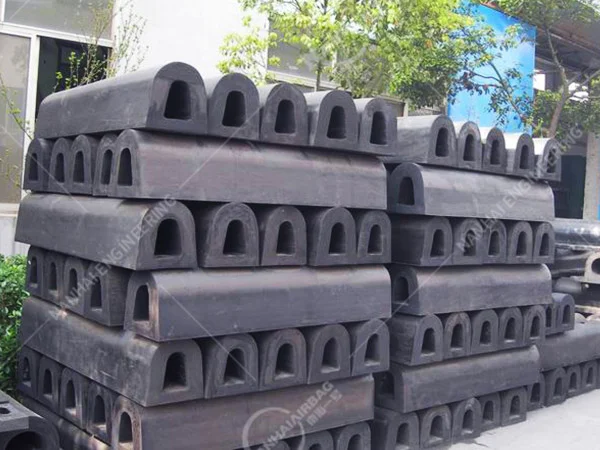
D Rubber Fenders: The Space-Saving, High-Performance Workhorse for Modern Marinas
When it comes to protecting valuable vessels and costly dock infrastructure, not all marine fenders are created equal. Enter D Rubber Fenders—the unsung heroes of the maritime world. With their distinctive semi-circular “D” profile, these rubber fenders offer a superior blend of high energy absorption, low reaction force, and a compact footprint. Whether you are outfitting a busy commercial ferry terminal, a tight marina berth, or the hull of a tugboat, D fenders provide a reliable, cost-effective buffer that minimizes impact damage and maximizes operational safety.
Why Choose D Rubber Fenders?
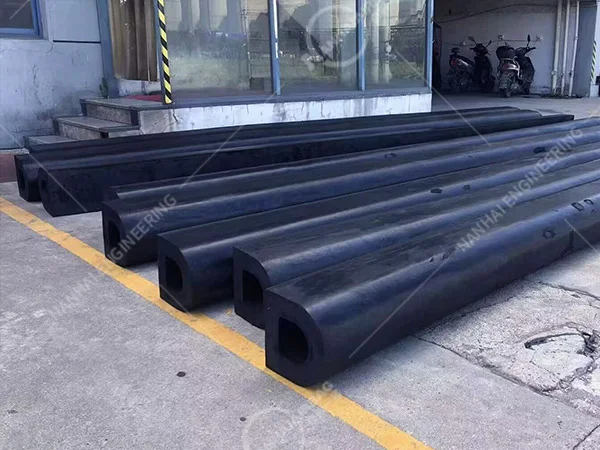
D Rubber Fenders are premium marine-grade bumpers shaped like a wide “D”, specifically engineered to absorb high-impact berthing forces while maintaining a low reaction force to protect both the vessel and the dock structure. Their flat-back design allows for seamless, space-saving installation directly against walls, pilings, or ship hulls, making them ideal for narrow walkways and confined spaces. Manufactured from highly durable, UV-resistant, and saltwater-proof synthetic rubber compounds, D fenders outperform traditional cylindrical or square fenders by distributing collision energy evenly across their curved surface. They are the ultimate cost-effective, low-maintenance solution for marinas, ports, and workboats seeking long-term protection against daily docking impacts.
Why D Rubber Fenders Are the Smart Choice for Your Dock or Vessel
Transitioning from traditional padding to D Rubber Fenders is like upgrading from a wooden cart to a suspension truck. The engineering behind the “D” shape isn’t just for aesthetics—it fundamentally changes how impact force is managed. Here is a deep dive into the advantages that make D fenders a staple in the maritime industry, complete with real-world applications.
1. Superior Energy Absorption with Low Reaction Force
Unlike square or rectangular fenders that can transfer the full shock of an impact back to the vessel or the dock (potentially causing structural damage), the curved face of the D fender compresses upon impact. This design absorbs a significant amount of kinetic energy and dissipates it evenly, resulting in a lower reaction force.
- Example: Consider a 40-foot fishing charter boat pulling into a crowded North Carolina marina. In windy conditions, the boat drifts sideways and glances off the dock. Thanks to the D fender’s ability to compress and absorb the hit, the hull remains scratch-free, and the wooden pilings aren’t splintered. Without it, that same impact could have cost the boat owner thousands in hull repairs and the marina operator in structural damages.
2. Space-Saving, Low-Profile Design
Real estate on a dock is precious. Bulky fender systems can obstruct walkways, create tripping hazards, or take up valuable berthing space. The D fender’s flat back sits flush against the mounting surface, protruding only minimally while still providing a massive protective buffer.
- Example: A historic ferry terminal with narrow pedestrian walkways needed to upgrade its dock protection. Installing large, bulky pneumatic fenders was impossible as it would block passenger access. By switching to sleek, bolt-on D Rubber Fenders, the terminal maintained its narrow walkways, kept the area looking clean and uncluttered, and still provided robust protection for the heavy ferries docking multiple times a day.
3. Effortless Installation and Minimal Maintenance
Time is money in the marine industry. D fenders are designed for hassle-free installation. They can be easily mounted horizontally, vertically, or diagonally using pre-punched holes, backing plates, or specialized brackets. Furthermore, their simple, robust design means there are virtually no moving parts to fail.
- Example: A commercial port operator needed to replace the aging, rotting timber bumpers on their cargo berth. Using standard D fenders with pre-drilled mounting holes, the maintenance crew completed the entire installation in a single afternoon, using basic tools. Five years later, the fenders still require nothing more than a quick fresh water rinse to remove salt buildup.
4. Unmatched Durability in Harsh Marine Environments
The ocean is an unforgiving environment. Saltwater, intense UV radiation, and constant temperature fluctuations can degrade inferior materials quickly. High-quality D Rubber Fenders are crafted from specialized synthetic rubber compounds (often a blend of SBR and NR) that are engineered to resist abrasion, ozone, and UV damage.
- Example: An Alaskan salmon processing plant operates in icy waters where temperatures plummet to -45°F. Standard foam fenders would become brittle and crack, but their D Rubber Fenders remain flexible and resilient, enduring the freezing spray, heavy vessel impacts from supply barges, and the relentless summer UV rays without losing their structural integrity.
5. Incredible Versatility Across Applications
From small recreational pontoons to heavy-duty tugboats and massive loading bays, D fenders are highly adaptable. They come in various sizes—ranging from small profiles (e.g., 100mm x 100mm) to massive structures (500mm x 500mm)—and can even be manufactured with a slight radius to fit around the curved bows and sterns of vessels.
- Example: A logistics company uses D fenders not just on their commercial barges, but also along the concrete loading docks of their waterfront warehouse. The same type of D fender protects the barge hulls during unloading and prevents forklift trucks from damaging the concrete walls, showcasing their incredible cross-industry utility.
Are You Still Relying on Outdated Dock Protection?
Imagine facing a severe storm with a dock protected by old, hardened foam blocks. As the tide rises and vessels thrash against the pier, those inadequate bumpers shatter, leaving your expensive yachts and the dock pilings vulnerable to catastrophic damage. Why risk thousands of dollars in repairs and potential liability lawsuits when a superior, cost-effective solution exists? Discover how upgrading to D Rubber Fenders can provide you with priceless peace of mind, slash your maintenance costs, and extend the lifespan of your entire waterfront infrastructure.
Related Questions (FAQs)
Here are the answers to some of the most frequently asked questions about D Rubber Fenders and how they compare to other marine fenders:
- What are D Rubber Fenders used for? D Rubber Fenders are primarily used to cushion the impact between a vessel and a dock, pier, or another vessel during berthing. They are widely used in marinas, ferry terminals, cargo ports, and on the hulls of tugboats, workboats, and fishing vessels to prevent structural damage.
- How do D fenders compare to cylindrical rubber fenders? While both are essential types of rubber fenders, D fenders generally offer a more compact, space-saving profile. Cylindrical fenders provide 360-degree impact protection and are great for open piles, whereas D fenders have a flat back that mounts flush against a surface, offering higher energy absorption per square foot and a neater appearance.
- Can D Rubber Fenders be used on boats? Absolutely. Many commercial vessels, such as tugboats and pilot boats, have D fenders permanently bolted along their hulls (often with a special radius to match the ship’s curve). This allows them to push against barges or docks without damaging their own hulls.
- What maintenance do D fenders require? One of the biggest advantages of D Rubber Fenders is their low maintenance. Unlike pneumatic fenders which require pressure checks, or marine airbags which need careful inspection for punctures, D fenders are virtually maintenance-free. Occasional cleaning with fresh water to remove salt and marine growth is usually sufficient.
- How long do D Rubber Fenders last? Thanks to their durable synthetic rubber construction, high-quality D fenders typically last between 7 to 10 years, even in harsh saltwater and UV-heavy environments, making them an incredibly cost-effective long-term investment.
- Are D fenders easy to install? Yes, they are designed for straightforward installation. Most D fenders come with pre-punched holes or can be paired with external mounting brackets (like U-bolts or ladder brackets). They can be installed horizontally, vertically, or diagonally to suit the specific geometry of your dock or vessel.
Final Thoughts
In the demanding world of marine operations, cutting corners on safety equipment always leads to higher costs down the line. D Rubber Fenders stand out as a proven, versatile, and economically smart investment. They outperform bulkier alternatives, require almost zero maintenance, and provide relentless protection against the daily grind of berthing and mooring. While specialized equipment like marine airbags are perfect for heavy-duty ship launching and salvage, D fenders are the everyday champions of dock defense. Don’t wait for the next storm or a clumsy captain to expose the weaknesses in your current setup. Upgrade to D Rubber Fenders today and secure your vessels and infrastructure with the ultimate marine-grade protection.
