
How to choose ship launching airbags
28/04/2026Buoyancy Airbags: The Underwater Powerhouse of Modern Maritime Salvage & Heavy Lifting
05/05/2026
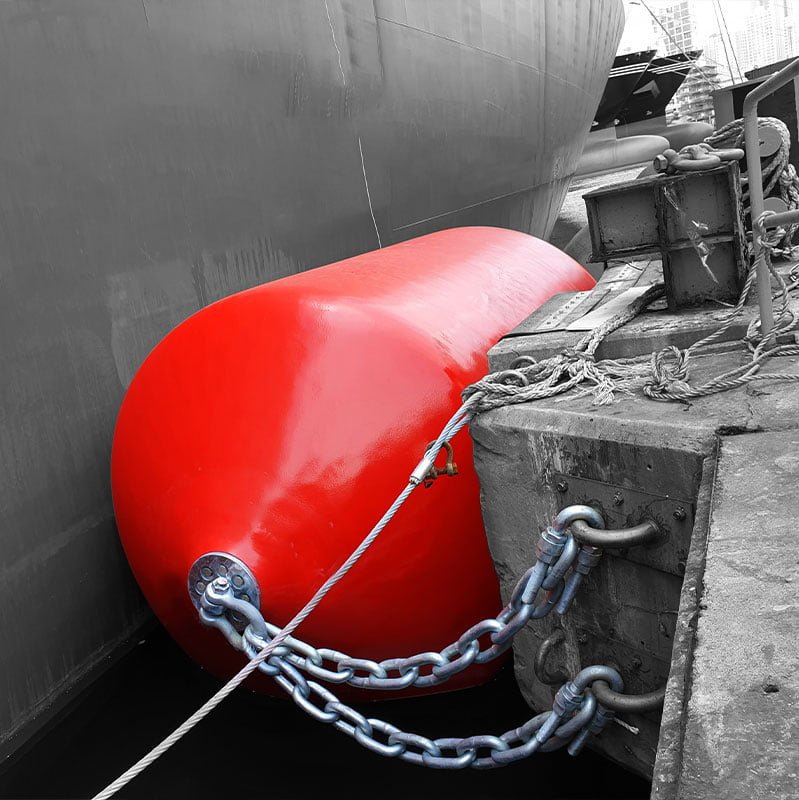
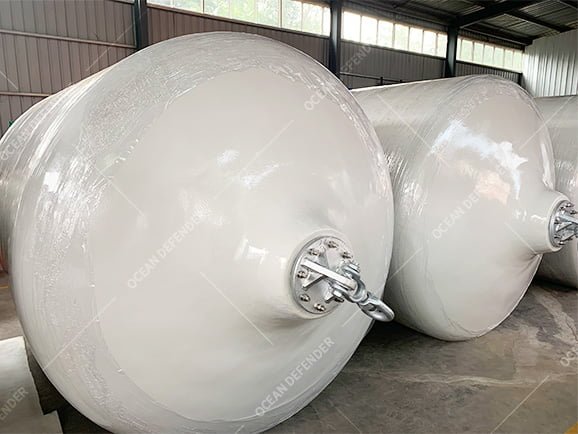
Choosing the right docking equipment is one of the most critical decisions a shipowner or port manager has to make. If you are looking for a docking solution that combines maximum protection with minimal maintenance, you have likely considered floating foam fenders.
This guide will walk you through everything you need to know about these essential pieces of maritime equipment. We will explain why they might be the perfect solution for your vessel, how they stack up against other marine fenders, and answer the most common questions ship operators have before making this vital investment.
⭐ Quick Answer: What are Floating Foam Fenders?
Floating foam fenders are unsinkable, highly durable marine buffers made from a closed-cell polyethylene foam core and a tough polyurethane elastomer outer skin. They are designed to protect vessels and docks during berthing by absorbing massive impact energy without the risk of sinking or bursting. They require zero inflation and very little maintenance, making them the ultimate “install and forget” docking solution.
🚨 Why is Upgrading Your Fendering System So Urgent?
Imagine a 50,000-ton bulk carrier approaching a busy port during a severe storm. The wind is pushing the vessel off course, and the crew is struggling to maintain a steady approach. If the dock is equipped with old, rigid rubber fendersor poorly maintained pneumatic fenders, the impact could rupture the fender, puncture the ship’s hull, or even collapse the dock structure. The result? Millions of dollars in damages, massive oil spills, and potential loss of life.
This nightmare scenario is exactly why upgrading to high-performance floating foam fenders is no longer just an option—it is a necessity. Ports and shipyards worldwide are facing larger vessels, harsher weather conditions, and tighter safety regulations. Relying on outdated technology puts your entire operation at risk. By investing in superior foam fenders today, you are not just buying equipment; you are buying guaranteed peace of mind for your crew, your assets, and the environment. Let’s explore why these fenders are becoming the gold standard in the maritime industry.
🛡️ How Do Floating Foam Fenders Work?
Unlike traditional marine fendersthat rely on air pressure or solid rubber to absorb shock, foam fenders utilize a sophisticated sandwich construction:
- The Core (Energy Absorption): The heart of the fender is made from closed-cell polyethylene (EVA/PE) foam. This material is incredibly lightweight and, most importantly, unsinkable. Even if the outer layer is completely breached, the core will never absorb water or lose its buoyant properties.
- The Skin (Ultimate Protection): The core is encapsulated in a tough, reinforced polyurethane (PU) or nylon elastomer skin. This outer layer is highly resistant to abrasion, UV rays, and marine organisms like barnacles.
- The Result: When a massive ship presses against the fender, the foam core compresses, absorbing the kinetic energy of the impact. Once the pressure is released, the fender instantly bounces back to its original shape without suffering from permanent deformation.
🚀 The Unmatched Advantages of Foam Fenders
Still wondering if foam fenders are right for your operation? Here are the key benefits that make them stand out from the crowd:
- Truly Unsinkable: Because the core is a solid piece of closed-cell foam, there is no air inside to leak out. You never have to worry about a ruptured fender sinking to the bottom of the harbor.
- Zero Maintenance: Forget about checking air pressures, patching leaks, or dealing with complex valve systems. Once you deploy a foam fender, it is ready to work 24/7 without any intervention.
- High Energy Absorption: Foam fenders can absorb significantly more impact energy than conventional cylindrical rubber fendersof the same size, providing superior protection for both the vessel and the dock.
- Long Lifespan: The combination of UV-resistant PU skin and a rot-proof foam core means these fenders can easily last 10 to 15 years, even in the harshest marine environments.
⚓ Building Your Ultimate Marine Protection Toolkit
While floating foam fenders are the kings of the docking process, a well-rounded shipyard or port needs a versatile arsenal of protective equipment.
For instance, when you are moving a vessel from the dry dock back into the water, you might need the heavy-lifting power of marine airbagsto safely launch the hull. During the berthing process itself, you might use a combination of large-scale foam fenders for the ship’s sides and traditional rubber fendersmounted directly onto the pier structure. Understanding how these tools work together allows you to create a comprehensive safety net for every stage of maritime operations.
🙋♂️ People Also Ask (FAQ)
Q1: How long do floating foam fenders typically last?
A: With proper use, high-quality foam fenders have an impressive service life of 10 to 15 years. The polyurethane outer skin is highly resistant to wear and tear, and the closed-cell foam core is completely immune to water damage, rot, and UV degradation.
Q2: Do foam fenders require any inflation or special maintenance?
A: No, and this is their biggest selling point. Because they are filled with solid foam rather than air, they require absolutely no inflation. They are virtually maintenance-free; you simply need to rinse off any accumulated marine growth occasionally to keep them in perfect condition.
Q3: What is the main difference between a foam fender and a pneumatic rubber fender?
A: The main difference lies in their construction and maintenance. Pneumatic fenders are essentially giant rubber balloons filled with compressed air. They offer excellent protection but require regular pressure checks and are vulnerable to punctures. Foam fenders, on the other hand, are solid-core and unsinkable, offering a maintenance-free alternative with a higher resistance to punctures.
Q4: Can foam fenders be customized for specific vessels?
A: Absolutely. Reputable manufacturers can customize foam fenders to meet your exact specifications. You can choose the diameter, length, foam density, and even the color of the polyurethane skin to match your company’s branding or visibility requirements.
⚓ Ready to Secure Your Vessels?
Investing in high-quality floating foam fenders is a smart, long-term decision that protects your valuable assets from catastrophic damage. Their unmatched durability, zero-maintenance design, and superior energy absorption make them the best choice for modern shipowners and port authorities.
Don’t wait for an accident to happen before upgrading your marine protection. If you have specific questions about sizing, customization, or want to compare foam fenders with other marine fenders, feel free to reach out to our team of experts today. We are here to help you find the perfect, unsinkable solution for your fleet.
