
Salvage Airbags: The Ultimate Heavy-Lift Solution for Maritime Recovery & Ship Refloating
07/05/2026How to Choose D Rubber Fenders
14/05/2026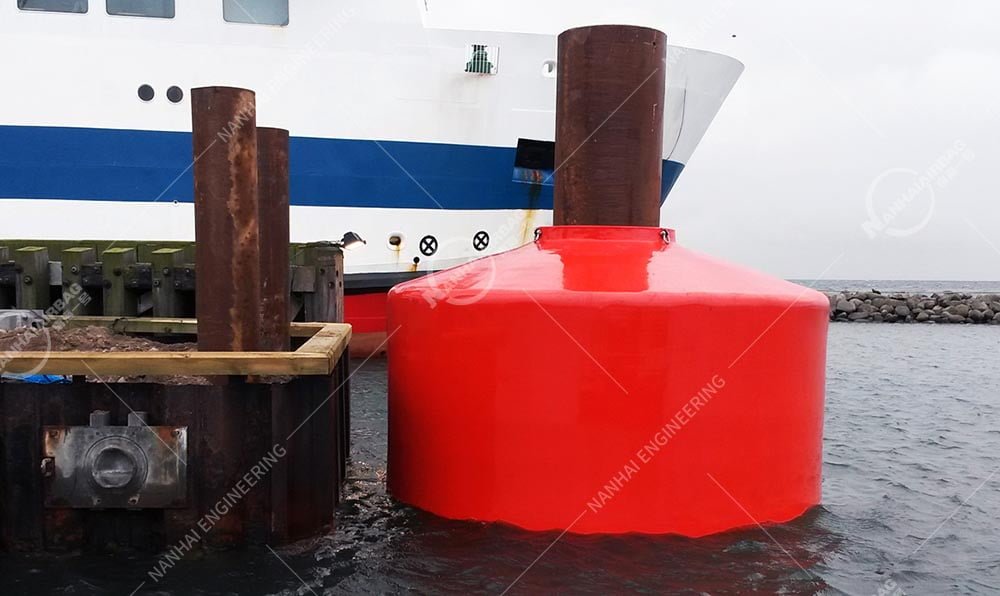
f you have ever docked a boat in a tight slip or managed a bustling marina, you know that standard rectangular or cylindrical marine fendersdon’t always cut it. They roll, they shift, and sometimes they just pop out of place when you need them most. This leaves your prized vessel vulnerable to costly scrapes and structural damage. Enter the elegant, highly effective solution: the donut fender.
Whether you call them doughnut fenders, ring fenders, or circular fenders, these specialized pieces of docking gear are revolutionizing how we protect boats in piles, dolphins, and narrow berths. In this guide, we will break down exactly what makes donut fenders unique, why you desperately need them, and how they fit into your overall marine protection strategy.
⭐ Quick Answer: What are Donut Fenders?
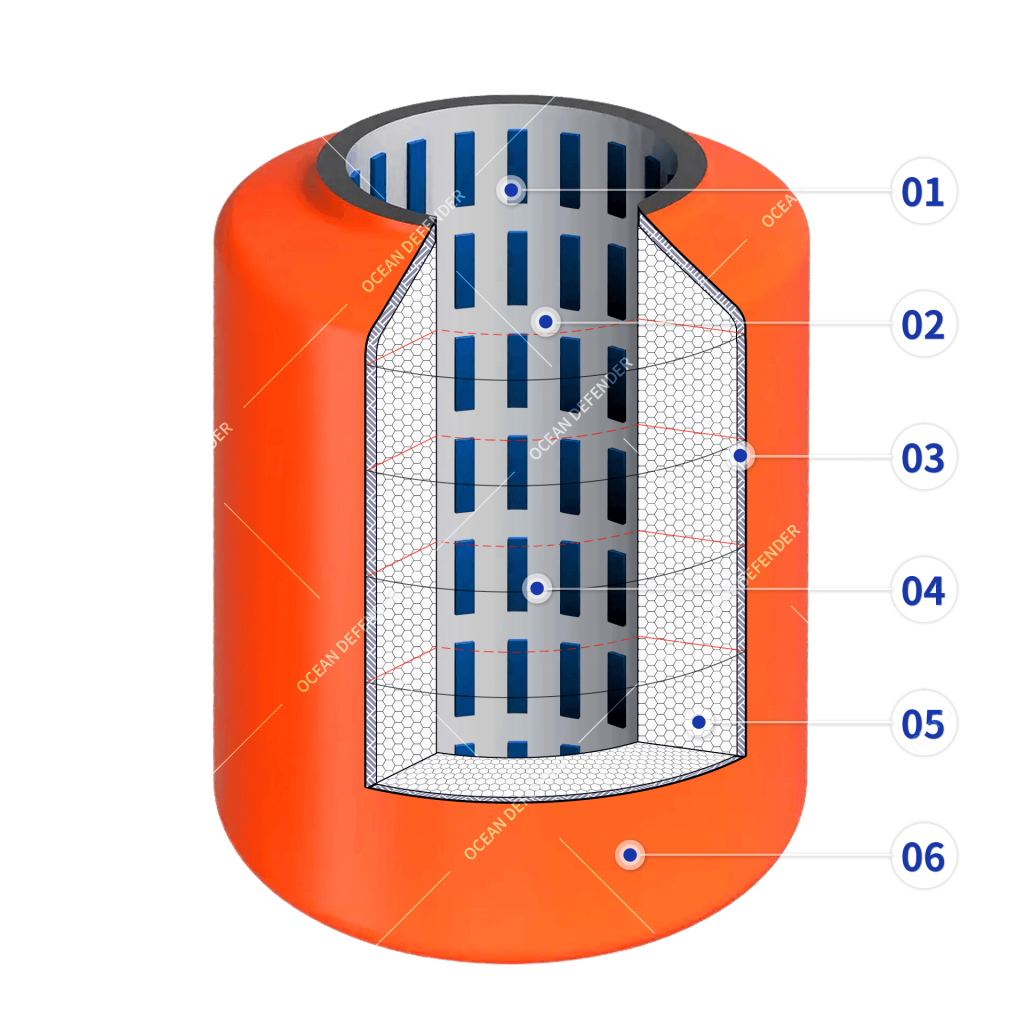
Donut fenders are circular, ring-shaped marine bumpers, typically made from high-quality, closed-cell foam or heavy-duty reinforced rubber. They are designed to slide securely onto vertical pilings or dolphin structures, creating a continuous, 360-degree cushion that protects a vessel from every angle. Because of their unique shape, they provide a larger contact area than standard cylindrical fenders and will never roll out of position.
🚨 Why is Upgrading to Specialized Fendering So Urgent?
Picture this: A sudden, violent squall hits your marina. The wind is howling, and the water is churning. You are safely indoors, but your mind is racing. You know your boat is tied to a wooden piling, protected only by a single, worn-out cylindrical fender that has been slowly slipping down the post all night. As the waves toss your vessel, that tiny fender pops out of place. The next sound you hear is the sickening crunch of fiberglass against unforgiving wood.
This scenario is a boat owner’s worst nightmare, and it happens every day in marinas around the world. Relying on makeshift fendering solutions or standard rubber fendersin dynamic, pile-supported docks is an accident waiting to happen. The urgency to upgrade to specialized equipment like donut fenders isn’t just about preventing minor scratches; it is about avoiding thousands of dollars in hull repairs, preventing environmental damage from leaking fluids, and ensuring your peace of mind during the next big storm. Let’s dive into why donut fenders are the ultimate safeguard for your vessel.
🛡️ How Do Donut Fenders Work?
Unlike traditional marine fendersthat hang loosely from a cleat or a dock line, donut fenders are designed for stability. Here is the breakdown of their simple yet brilliant mechanics:
- The Perfect Fit: As the name suggests, donut fenders feature a hollow center. This allows them to slide perfectly over vertical pilings, mooring posts, or dolphins.
- The 360-Degree Shield: Once in place, the fender rests securely on the water’s surface (or is held at the perfect height by a line). Because it wraps entirely around the piling, it creates a continuous protective barrier. No matter which direction the wind or current pushes the boat, the hull always makes contact with the cushioned exterior of the donut.
- Zero Rolling: The circular shape distributes impact force evenly across the entire structure. More importantly, because the piling sits snugly inside the donut’s hole, the fender physically cannot roll out of the way or slip down the post, even under extreme tidal changes or heavy vessel movement.
🚀 The Unmatched Advantages of Donut Fenders
If you are debating whether to stick with your current setup or invest in donut fenders, consider these game-changing benefits:
- Omnidirectional Protection: Traditional fenders only protect the side of the boat they are touching. Donut fenders protect against impacts coming from any direction—port, starboard, bow, or stern.
- Superior Stability: Say goodbye to constantly adjusting your fenders. Once a donut fender is on the piling, it stays exactly where you put it. This is especially critical in areas with drastic tidal fluctuations.
- Gentle on Hulls: Most high-quality donut fenders are made from closed-cell foam wrapped in a smooth, reinforced polyurethane skin. This surface is incredibly smooth and non-marking, meaning it won’t leave black streaks or scuff marks on your expensive gel coat.
- Built to Last: Whether you choose a foam-core or heavy-duty molded rubber model, these fenders are highly resistant to punctures, UV rays, saltwater corrosion, and abrasive marine growth.
⚓ Integrating Donuts into Your Marine Protection Toolkit
Smart dockmasters and boat owners know that there is no “one-size-fits-all” solution in the marine world. The best protection plans use a combination of tools tailored to specific challenges.
For example, while donut fenders are perfect for guiding a boat safely into a slip and protecting it from lateral movement, you might still use traditional cylindrical rubber fendersalong the face of a long dock to protect against direct impact. Furthermore, if you are dealing with heavy vessels or major infrastructural projects like bridge pilings, you might pair your donut fenders with heavy-duty marine airbags. These airbags can support massive weights and provide a flexible buffer for large ships, working in tandem with donuts to create a comprehensive, multi-layered defense system for any marine environment.
🙋♂️ People Also Ask (FAQ)
Q1: What sizes do donut fenders come in?
A: Donut fenders are highly customizable, but they generally range from small sizes (around 15 inches in diameter) suitable for private pleasure craft, all the way up to massive 6-foot diameter fenders designed for commercial tugs, barges, and large marina dolphins. The center hole is always tailored to fit the specific diameter of your piling.
Q2: Should I choose a foam or rubber donut fender?
A: It depends on your specific application. Foam donut fenders are lighter, softer on hulls, and highly resistant to abrasion, making them perfect for yachts and fiberglass boats. Heavy-duty molded rubber fendersshaped like donuts offer maximum durability and are better suited for rough commercial environments, rocky shores, or steel-hulled workboats.
Q3: How do I install a donut fender on a piling?
A: Installation is remarkably simple. You simply slide the donut fender over the top of the vertical piling. Once it drops to the waterline, you can secure it at the desired height using a small linesling or a specialized mounting bracket that clips onto the piling.
Q4: Will a donut fender mark my boat’s hull?
A: High-quality foam donut fenders feature a smooth polyurethane or PVC outer skin that is specifically designed to be non-marking. However, like any marine equipment, if the fender is covered in dirt or barnacles, it can transfer grime to your hull. Regular cleaning of the fender will prevent any marking issues.
⚓ Ready to Protect Your Vessel?
Don’t let the next stormy night keep you up worrying about your boat. Investing in high-quality donut fenders is a simple, affordable, and highly effective way to ensure your vessel stays exactly where it belongs—safe, secure, and scratch-free. Their 360-degree protection and zero-roll design make them a massive upgrade over traditional fendering methods.
Take a look at your current docking setup. If you are relying on pilings, it is time to make the switch. Explore our range of durable, marine-grade donut fenders today and give your boat the ultimate layer of defense it deserves!
