
Donut Fenders
13/05/2026Super Cell Rubber Fenders: The Ultimate Shield for High-Impact Marine Berthing
19/05/2026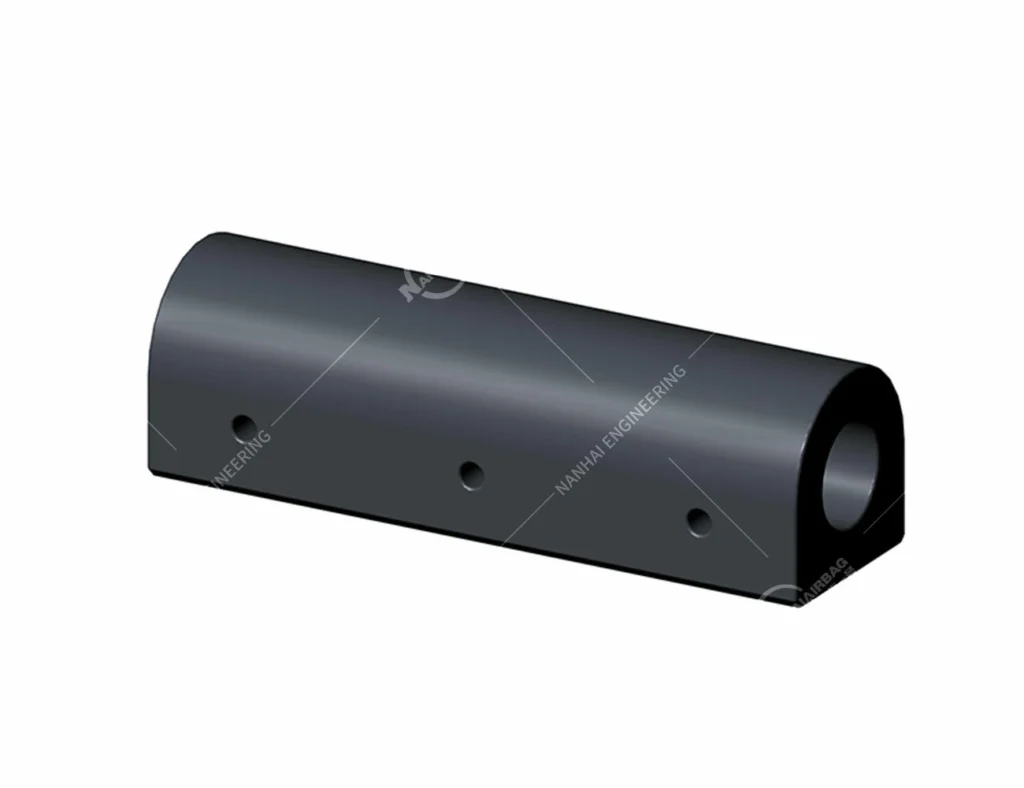
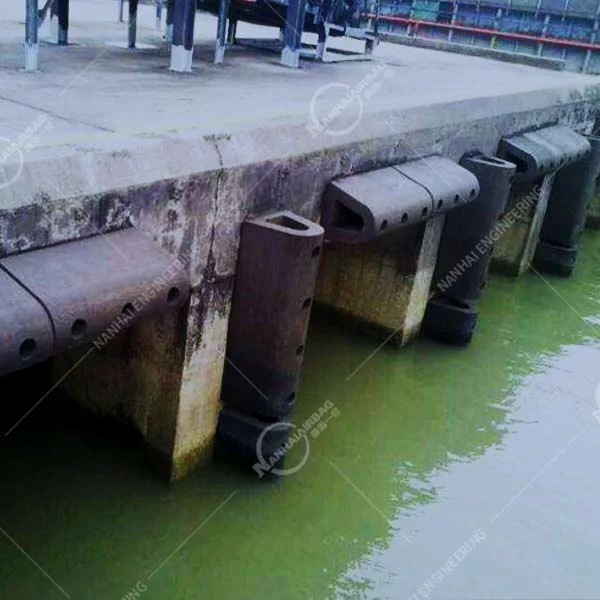
Walking down a marina dock or overseeing a bustling commercial port, you might not consciously notice them, but you definitely feel their absence when things go wrong. D Rubber Fenders are the unsung heroes of the maritime world. They are the sturdy, reliable bumpers that stand between an expensive vessel and a costly collision with the dock.
But not all D fenders are created equal. Whether you are outfitting a brand-new yacht club or replacing worn-out buffers at a commercial terminal, choosing the right D fender is a critical decision. Buy the wrong ones, and you are looking at premature cracking, torn-off mountings, and damaged hulls. Buy the right ones, and you have a maintenance-free, decade-long solution that protects your assets day in and day out.
This guide will cut through the technical fluff and show you exactly how to choose the perfect D fender for your specific needs. Let’s dive in.
⭐ Quick Answer: How to Choose D Rubber Fenders?
To choose the right D Rubber Fender, you must first evaluate the weight and impact force of the vessels using your dock. Prioritize fenders made from high-grade, UV-resistant EPDM or SBR rubber to withstand harsh marine environments. Finally, ensure the profile size (Large, Medium, or Small D) matches your dock’s structural capacity and that you select the correct installation method—typically pre-drilled holes for easy mounting or a strong marine-grade adhesive for seamless application.
🚨 Why is Choosing the Right Fender So Urgent?
Imagine a crisp autumn afternoon at your marina. A sudden, fierce squall rolls in, whipping up whitecaps and turning the calm water into a chaotic washing machine. On the dock, a brand-new 40-foot sailing yacht is tied up, bouncing violently against the wooden pilings. Because the dock master tried to save a few hundred dollars by installing cheap, brittle D fenders, the intense pressure causes the fenders to crack and sheer off their mounts.
Without the cushioning, the sharp edge of the dock rams into the yacht’s fiberglass hull, punching a basketball-sized hole right at the waterline. Within minutes, the cabin is flooding. The boat is a total loss, the marina is facing a massive lawsuit, and there is an environmental disaster from the spilled diesel fuel.
This nightmare scenario happens more often than you think. Cutting corners on marine fendersisn’t just a bad financial decision; it is a severe safety hazard. The right D fender acts as a shock absorber, dissipating the kinetic energy of a moving vessel and protecting both the boat and the infrastructure. Don’t wait for the next storm to expose the weaknesses in your current setup. Here is how you can ensure you buy the absolute best D fenders for your specific application, right now.
🛠️ Step 1: Analyze Your Vessel and Dock Requirements
Before you even look at a catalog, you need to do some basic math. The “D” in D fender stands for its semi-circular, flat-backed profile, which makes it incredibly versatile. However, they come in various sizes:
- Small D Fenders: Perfect for recreational marinas, small fishing boats, and personal docks. They offer excellent protection for vessels under 20 tons.
- Medium D Fenders: The workhorses of the marine world. Ideal for commercial fishing boats, mid-sized ferries, and busy public docks.
- Large D Fenders: Built for heavy-duty applications. If you are protecting a cargo ship, a large tugboat, or a concrete pier, you need the massive impact absorption that a Large D profile provides.
🧪 Step 2: Inspect the Rubber Quality (The “Squish” Test)
In the world of rubber fenders, the material composition is everything. Cheap fenders are often made from recycled rubber that becomes brittle after just one season of sun exposure. When you squeeze a high-quality D fender, it should feel dense yet pliable.
Look for fenders made from EPDM (Ethylene Propylene Diene Monomer) or high-grade SBR (Styrene-Butadiene Rubber).
- EPDM is highly resistant to weathering, ozone, and UV radiation. It won’t crack in freezing temperatures or soften in the scorching sun.
- SBR offers excellent abrasion resistance and impact strength, making it ideal for high-traffic commercial docks. Always ask the manufacturer about the rubber’s durometer (hardness) rating. A rating between 60-70 Shore A is the sweet spot for maximizing energy absorption without permanently deforming the fender.
🔩 Step 3: Choose Your Mounting Method Wisely
How you attach the D fender to your dock is just as important as the fender itself. There are three main methods, and choosing the wrong one can lead to the fender ripping off under pressure.
- Pre-Drilled Holes: The most common and secure method for wooden or concrete docks. Ensure the holes are countersunk so the screw heads sit flush with the rubber, preventing them from scraping against the boat hulls.
- Adhesive Bonding: Best for aluminum docks or situations where you want a seamless look without visible hardware. You must use a high-strength marine-grade polyurethane adhesive.
- Metal Retainers: For heavy-duty industrial applications, D fenders can be mounted onto steel retainers that are bolted to the dock. This allows for easy replacement if a fender gets damaged.
⚓ Step 4: Consider the Bigger Picture
While D fenders are fantastic for the edges of docks and pier corners, a comprehensive marine protection plan often requires a mix of tools. For instance, if you are managing a shipyard that launches vessels from land into the water, you might use heavy-duty marine airbagsto gently roll the hull into the water. Once that vessel is afloat and maneuvering into its slip, the D fenders on the dock face will take over to guide it safely into place. Understanding how different types of marine fenders work together ensures you have every angle covered.
🙋♂️ People Also Ask (FAQ)
Q1: What is the typical lifespan of a high-quality D Rubber Fender?
A: A premium D fender made from UV-stabilized EPDM or SBR rubber should last anywhere from 8 to 12 years in a moderate climate. In extremely hot or salty environments, you can still expect a solid 5 to 7 years of reliable service before the rubber begins to show signs of aging.
Q2: Can I install D fenders on a curved dock or a corner?
A: Absolutely. One of the biggest advantages of the D profile is its flexibility. You can easily bend it around a 90-degree corner or a gentle curve. For tight radii, some installers will make small relief cuts on the flat backing side of the fender to help it conform to the shape without buckling.
Q3: How do I clean and maintain my D fenders?
A: Maintenance is surprisingly simple. Every few months, hose them down with fresh water to remove salt spray and algae. If you notice stubborn grime or barnacles, a stiff brush and a mild detergent will do the trick. Avoid using harsh solvents like acetone or gasoline, as these can degrade the rubber’s protective outer layer.
Q4: Are D fenders better than cylindrical fenders?
A: Neither is inherently “better”—they are designed for different applications. Cylindrical fenders (or donut fenders) are excellent for guiding boats into slips and wrapping around vertical pilings. D fenders, however, sit flush against flat surfaces like the edge of a dock or a pier wall. They offer a larger surface area of contact and are much harder to dislodge, making them the superior choice for perimeter docking.
🚢 Ready to Fortify Your Dock?
Choosing the perfect D Rubber Fenders doesn’t have to be a guessing game. By accurately assessing your vessel traffic, insisting on high-grade rubber compounds, and selecting the right mounting hardware, you can create a safe, damage-free environment for every boat that pulls up to your dock.
Don’t leave your marine infrastructure vulnerable to the next storm. If you have questions about sizing, need a custom quote, or want to compare our heavy-duty D fenders with other marine fendersin our catalog, reach out to our team of experts today. We are here to help you build a safer marina, one fender at a time.
