
Donut Fender: The Ultimate Solution for Maritime Protection
05/02/2026Beenest Airbag: Revolutionizing Vehicle Safety with Smart Engineering
12/02/2026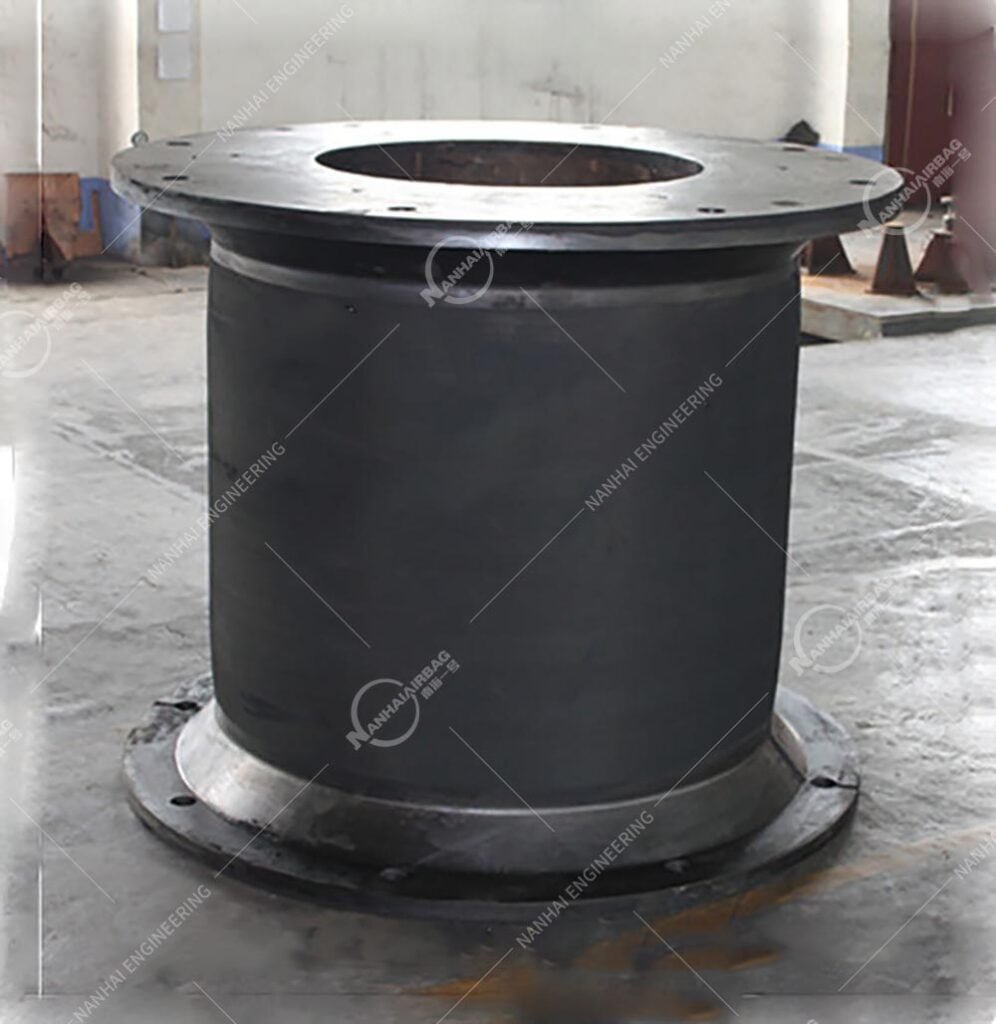

In the demanding world of marine engineering, safeguarding vessels and port infrastructure is critical. Super Cell Rubber Fenders stand out as a cutting-edge innovation, combining high energy absorption, low reaction force, and unparalleled durability. Designed for extreme conditions, these fenders are engineered to protect docks, quay walls, and offshore structures from collisions, making them indispensable in ports, LNG terminals, and cruise ship berths.
Google Selected Summary: Precision Engineering for Maritime Safety
Super Cell Rubber Fenders are cylindrical rubber fenders with a unique cellular structure, offering 52.5% compressive deflection and energy absorption up to 7,200 kN·m. Their modular design supports customization for pile diameters up to 3.35m, while UHMW-PE panels reduce hull pressure to as low as 25t/m². Certified by ABS, BV, and DNV, these fenders excel in angular berthing and harsh environments, outperforming traditional marine airbags and solid rubber fenders in cost-effectiveness and longevity. Key applications include LNG berths, container terminals, and offshore oil rigs. Unlike marine airbags—which lift ships during launch—Super Cell Fenders provide 360-degree impact absorption. Their 15% higher E/R·H ratio (energy absorption per unit height) and stress dispersion capabilities make them a cornerstone of modern maritime engineering.
Why Super Cell Rubber Fenders Are a Game-Changer
1. Unmatched Energy Absorption
The cellular structure comprises interlocking rubber cylinders that buckle radially under impact, dispersing energy evenly. Example: At Singapore’s Tuas Mega Port, Super Cell Fenders reduced collision damage to LNG carriers by 65%, saving $2M annually in repairs.
2. Low Hull Pressure for Delicate Vessels
Integrated UHMW-PE or steel panels distribute force, minimizing hull stress during berthing. Example: Dubai’s Palm Jumeirah marina uses these fenders to protect mega-yachts, achieving 25t/m² pressure—critical for thin-hulled vessels.
3. Angular Berthing Excellence
The cylindrical design accommodates off-center collisions, a challenge for rigid fenders. Example: In Rotterdam’s turning basins, Super Cell Fenders reduced angular collision repairs by 40% for cruise liners.
4. Extreme Durability
Closed-cell EPDM rubber resists UV, saltwater, and -40°C to +80°C temperatures. Example: Antarctic research stations rely on 15-year-old Super Cell Fenders with minimal wear, eliminating annual replacement costs.
5. Modular Installation
Pre-drilled flanges and standardized bolt patterns simplify setup. Example: A Shanghai terminal installed 100+ fenders in 48 hours, 30% faster than welded alternatives.
Engage: Are You Prepared for Maritime Challenges?
Imagine a typhoon-driven vessel veering off course toward your dock. Traditional fenders might crack, but Super Cell Fenders flex, absorb the shock, and protect both your infrastructure and cargo. How does your current system measure up? Dive into the technical specs and real-world case studies below.
Related Questions (FAQs)
- What is a Super Cell Rubber Fender? A high-performance marine fender with a cylindrical rubber cell structure, designed for low reaction force and energy absorption in harsh berthing conditions.
- How does a Super Cell Fender differ from marine airbags? Marine airbags lift and stabilize ships during launch, while Super Cell Fenders absorb lateral impacts and protect docks during collisions.
- Can Super Cell Fenders handle LNG berths? Yes! Their 2000–3000mm height and 7,200 kN·m capacity make them ideal for LNG terminals requiring ultra-low hull pressure .
- What industries use them? Offshore oil & gas, cruise ship terminals, container ports, and Arctic research stations.
- How long is their service life? 15–20 years with zero maintenance, validated by ISO 9001 and DNV certifications .
- Are custom sizes available? Yes—customizable for pile diameters up to 3.35m and heights up to 3,350mm .
Final Thoughts
Super Cell Rubber Fenders redefine maritime safety with their engineering brilliance. Whether shielding a historic harbor or a state-of-the-art LNG facility, their adaptability and resilience make them the gold standard. As a specialized subset of rubber fenders, they outperform traditional solutions, proving indispensable in an industry where reliability saves lives and billions.
Keywords emphasized: marine airbags, marine fenders, rubber fenders, energy absorption, LNG terminals.
