
Super Cell Rubber Fenders: The Heavy-Duty Gold Standard for Fixed Dock Protection
09/06/2026Arch Rubber Fender: The High-Efficiency Choice for Modern Marine Berthing
16/06/2026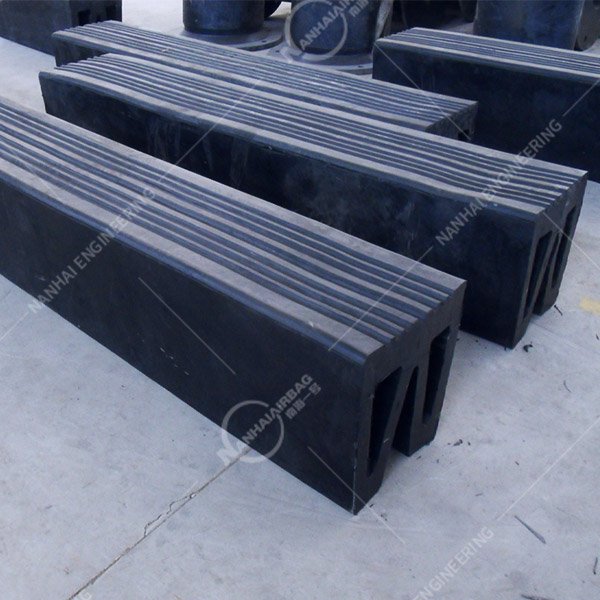
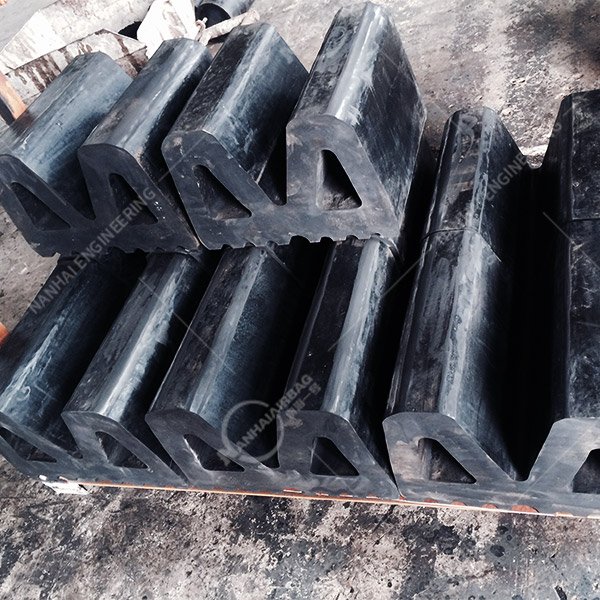
W Rubber Fenders are the gold standard for high-energy marine impact absorption, combining a unique W-shaped profile with durable rubber compounds to safeguard vessels, ports, and offshore structures. Engineered to distribute collision forces evenly, they outperform traditional fender types in reducing hull damage and extending infrastructure lifespan—making them a top choice for busy terminals and heavy-duty maritime operations.
When it comes to marine safety, not all fenders are created equal. While flat or cylindrical designs may suffice for small craft, large vessels like container ships, tankers, and bulk carriers demand a solution that can handle intense, repeated impacts without compromising performance. Enter the W Rubber Fender: a game-changer in the world of marine fenders, designed to tackle the toughest berthing challenges.
What sets W Rubber Fenders apart? Their signature W-profile isn’t just aesthetic—it’s functional. The dual “legs” of the W create multiple contact points with a vessel’s hull, spreading impact energy across a wider surface area. This reduces pressure on both the ship and the berth, minimizing dents, scratches, or structural strain. For example, at the Port of Rotterdam—one of the world’s busiest container hubs—switching to W Rubber Fenders cut hull repair costs by 30% over two years, thanks to their superior force distribution. Another case? A North Sea offshore wind farm used W fenders to protect its turbine installation vessels; even in 4-meter swells, the fenders absorbed impacts smoothly, preventing downtime during critical construction phases.
But durability isn’t their only strength. W Rubber Fenders are crafted from high-grade EPDM or SBR rubber, resistant to UV rays, saltwater corrosion, and extreme temperatures (-40°C to 80°C). Unlike foam-filled fenders that degrade over time, these solid-rubber workhorses require minimal maintenance—ideal for remote ports or offshore sites where frequent inspections aren’t feasible. Pair them with marine airbags (used for vessel launching or heavy lifting) during dry-dock repairs, and you’ve got a full suite of protection for every stage of a ship’s lifecycle.
Curious how W Rubber Fenders stack up against other rubber fenders, like D-shaped or cylindrical models? Or wondering if they’re right for your specific port or vessel size? Keep reading—we’ll break down installation tips, cost comparisons, and real-world data to help you choose the best fender system for your needs.
Related Questions About W Rubber Fenders
- What is the difference between W Rubber Fenders and D-shaped rubber fenders? W fenders offer higher energy absorption and lower reaction force than D-shaped fenders, making them better for large vessels. D-shaped fenders are more compact but less effective at distributing impact.
- How do I install W Rubber Fenders on a quay wall? Most W fenders come with pre-drilled mounting holes for bolt-on installation to steel or concrete berths. For floating docks, they can be attached via chains or brackets to allow movement with tides.
- What sizes do W Rubber Fenders come in? Standard sizes range from 200mm to 1200mm in height, with custom lengths available. Larger sizes (800mm+) are ideal for VLCCs (Very Large Crude Carriers), while smaller profiles suit ferries or fishing boats.
- Can W Rubber Fenders be used with marine airbags? Yes! Marine airbags are often used alongside W fenders during vessel launching or salvage operations, providing temporary cushioning while permanent fender systems are installed.
- How long do W Rubber Fenders last? With proper maintenance, they typically last 10–15 years. Factors like UV exposure, water salinity, and impact frequency can affect lifespan—regular inspections for cracks or wear are recommended.
Whether you’re outfitting a new terminal or upgrading an aging berth, W Rubber Fenders deliver unmatched reliability. Ready to explore specifications or request a quote? Let’s dive deeper into how these fenders can transform your marine operations.
