
Buoyancy Airbags: The Ultimate Solution for Marine Salvage and Floating Support
15/01/2026Beenest Ship Launching Airbag: Revolutionizing Maritime Safety and Efficiency
22/01/2026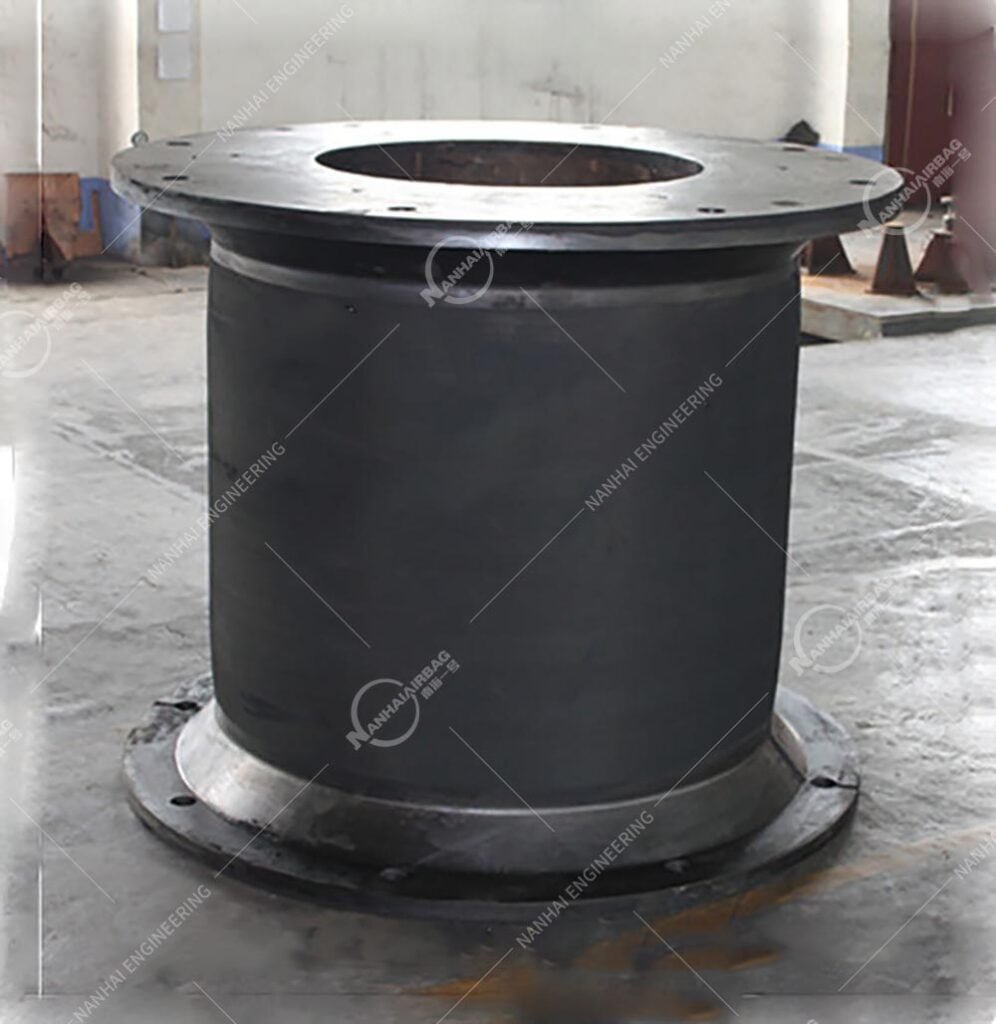
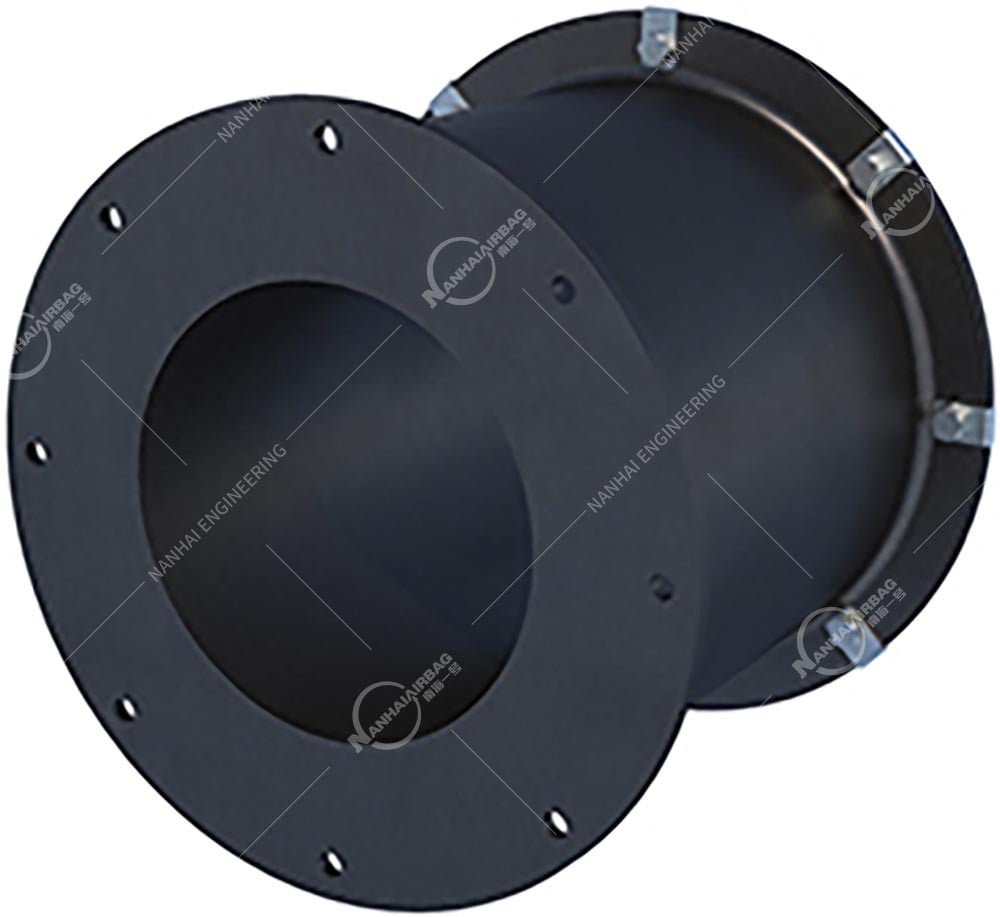
A cell rubber fender is a specialized marine fender constructed from a durable, multi-chambered rubber membrane. It functions by compressing upon impact, converting kinetic energy into minimal reaction force, which protects both the vessel’s hull and the docking structure. As a superior type of rubber fender, its design ensures high energy absorption, making it ideal for large ships and challenging berthing conditions.
The core applications of cell rubber fenders include safeguarding supertankers, container ships, and naval vessels at ports and offshore platforms. They are also used as reliable boat fenders for smaller crafts. Unlike solid fenders, their cellular structure provides a softer, more effective cushion, and unlike marine airbags—which are used for launching and salvage—cell rubber fenders are dedicated to impact protection.
The Advantages and Applications of Cell Rubber Fenders
Transitioning from traditional solid bumpers, cell rubber fenders offer a suite of advantages that translate directly into operational safety and cost savings. Here’s a look at why they are becoming the industry standard, with real-world examples.
1. Superior Energy Absorption with Low Reaction Force
The primary benefit of a cell rubber fender is its ability to absorb immense energy while exerting minimal reactive force on the vessel. This is crucial for preventing hull stress and structural damage.
Example: At the Port of Rotterdam, cell rubber fenders were installed to accommodate ultra-large container ships. During berthing, the fenders absorbed the massive impact, protecting the multi-billion-dollar vessels from costly repairs.
2. Unsinkable and Reliable Performance
Most cell rubber fenders are either pneumatically inflated or foam-filled, ensuring they remain buoyant and functional even if punctured.
Example: An offshore drilling platform in the North Sea uses foam-filled cell rubber fenders. Despite frequent storms and floating debris, the fenders have never failed, providing consistent protection year after year.
3. Exceptional Durability and Low Maintenance
Made from high-grade synthetic rubber resistant to UV rays, ozone, and saltwater, these fenders are built to last. Their robust construction minimizes the need for frequent replacements.
Example: A ferry terminal in Japan has used the same set of cell rubber fenders for over a decade, showcasing their longevity and cost-effectiveness compared to other rubber fenders.
4. Versatility Across Vessel Sizes
From small yachts to massive aircraft carriers, cell rubber fenders can be customized in size and capacity to meet diverse needs. They complement other marine equipment, such as marine airbags (used for launching), by specializing in protection rather than lifting.
Example: A luxury marina uses smaller cell rubber fenders as high-end boat fenders for yacht owners, providing gentle protection against accidental bumps.
Engage: Is Your Port Protected by the Best Technology?
Imagine a scenario where a sudden storm causes a vessel to drift uncontrollably toward the dock. Would your current fender system hold up? Cell rubber fenders offer a level of security that can turn a potential disaster into a minor incident. But how do you select the right model, and what are the key specifications to consider? Discover the answers below.
Related Questions (FAQs)
- What is a cell rubber fender? It is a type of marine fender made from a hollow, multi-chambered rubber structure designed to absorb impact energy during berthing. It is a high-performance version of a rubber fender.
- How does a cell rubber fender work? When a vessel makes contact, the fender compresses. Its internal chambers deform to dissipate the kinetic energy as heat, minimizing the force transferred to both the ship and the dock.
- What is the difference between a cell rubber fender and a solid rubber fender? Solid rubber fenders are made from a single block of rubber and rely on deflection for energy absorption. Cell rubber fenders use a pneumatic or foam-filled chamber system, offering higher energy absorption with lower reaction force.
- Where are cell rubber fenders commonly used? They are widely used in ports, shipyards, offshore platforms, and canal locks for protecting large vessels like tankers and container ships.
- Are cell rubber fenders better than marine airbags? They serve entirely different purposes. Marine airbags are used for ship launching, hauling, and salvage. Cell rubber fenders are exclusively for impact protection. Both are important in marine operations.
- What materials are used to make cell rubber fenders? They are typically made from high-resilience synthetic rubbers like EPDM or neoprene, reinforced with strong cord layers for added strength.
- What are the main types of marine fenders? Major types include cell rubber fenders (pneumatic), solid rubber fenders (cylindrical, cone, etc.), and foam-filled fenders. Each type is suited for specific applications.
Final Thoughts
The cell rubber fender represents a pinnacle of marine engineering, providing unparalleled protection through intelligent design. As a vital member of the marine fenders family, it outperforms many traditional options, including basic rubber fenders. While marine airbags excel in lifting and launching, cell rubber fenders are the undisputed champions of safe berthing. For any port or vessel operator serious about safety and asset protection, investing in cell rubber fenders is a decision that pays dividends for years to come.
Keywords emphasized: marine airbags, marine fenders, rubber fenders.
