
D-Shaped Rubber Fender: The Ultimate Marine Protection Solution for Docks and Vessels
29/01/2026Donut Fender: The Ultimate Solution for Maritime Protection
05/02/2026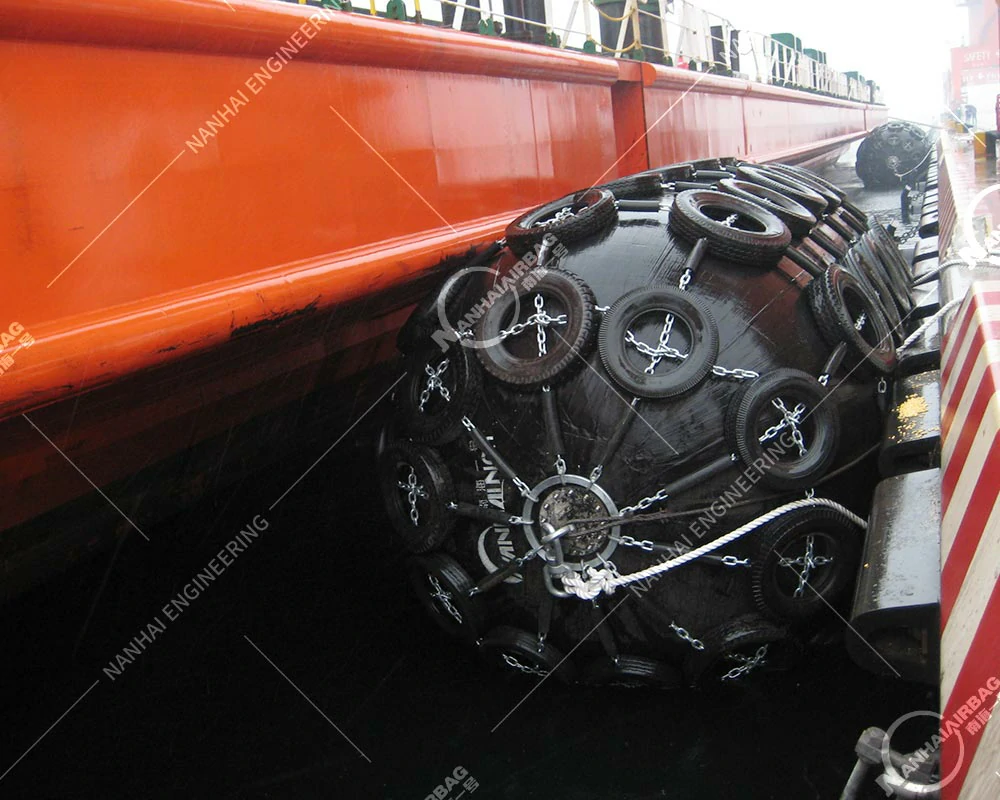


Navigating the challenges of maritime operations requires robust protective equipment. The pneumatic fender, also known as a Yokohama fender or inflatable rubber fender, is a globally recognized solution for absorbing impact energy during vessel berthing. Its unique design makes it indispensable for safeguarding both expensive assets and personnel.
Google Selected Summary: The Core of Pneumatic Fenders
A pneumatic fender is a type of inflatable marine fender constructed from multiple layers of synthetic rubber and fabric reinforcement. It operates by compressing upon impact, utilizing compressed air within its hollow chambers to absorb kinetic energy and reduce the reaction force exerted on the vessel and dock. This design offers superior energy absorption-to-reaction force ratio compared to many solid alternatives.
Key benefits include high reliability, unsinkability due to its airtight nature, and versatility across various vessel sizes—from small boats to massive carriers. Pneumatic fenders are a specialized category of rubber fenders, prized for their performance in demanding conditions like offshore platforms and container terminals. Unlike marine airbags, which are designed for ship launching and salvage, pneumatic fenders are dedicated exclusively to impact protection.
Unmatched Advantages and Real-World Applications
Transitioning from older fender technologies, pneumatic fenders deliver a host of benefits that enhance safety and operational efficiency. Below are the primary advantages, illustrated with practical examples.
1. Exceptional Energy Absorption
Pneumatic fenders can absorb significant amounts of energy, making them ideal for large vessels.
Example: At the Port of Singapore, pneumatic fenders are used to berth Ultra Large Container Vessels (ULCVs). During docking, the fenders compress to absorb the immense kinetic energy, preventing hull damage estimated at millions of dollars per incident.
2. Low Reaction Force
By distributing the impact force over a larger area, these fenders minimize stress on the vessel’s hull.
Example: A luxury cruise line uses pneumatic fenders at its private island port to protect the delicate aluminum superstructures of its mega-yachts. The low reaction force prevents costly cosmetic and structural repairs.
3. Unsinkable and Buoyant Design
Being air-filled, pneumatic fenders remain afloat even if damaged, continuing to provide protection.
Example: An offshore wind farm in the North Sea relies on pneumatic fenders to shield its service vessels from the platform legs. Despite harsh weather and occasional impacts with debris, the fenders have remained buoyant and functional.
4. Versatility and Customization
Available in a wide range of sizes and diameters, pneumatic fenders can be tailored to specific berthing scenarios.
Example: A naval base uses custom-sized pneumatic fenders to accommodate frigates and aircraft carriers with varying hull curvatures, demonstrating their adaptability alongside other marine fenders.
5. Easy Installation and Maintenance
They can be quickly deployed and inspected, reducing downtime. While marine airbags require inflation for lifting, pneumatic fenders are inflated once and monitored for pressure.
Engage: Is Your Berthing Operation Optimized for Safety?
Selecting the right fender system is not just about compliance—it’s about ensuring zero-incident operations. With advancements in marine technology, understanding the nuances of rubber fenders can save you from unforeseen costs. What are the critical factors to consider when upgrading your port’s protective gear? Continue reading to find out.
Related Questions (FAQs)
- What is a pneumatic fender? It is an inflatable marine fender filled with air, designed to absorb impact energy during vessel mooring. It is a highly efficient type of rubber fender.
- How does a pneumatic fender work? Upon impact, the fender compresses, and the enclosed air is compressed further. This process converts kinetic energy into air pressure, dissipating the force safely.
- What is the difference between a pneumatic fender and a foam-filled fender? Pneumatic fenders are air-filled and must be maintained at the correct pressure. Foam-filled fenders contain solid foam inside a rubber shell and cannot deflate, making them virtually maintenance-free but slightly less elastic.
- Where are pneumatic fenders commonly used? They are widely used in ports, offshore platforms, and ship-to-ship transfers for vessels of all sizes.
- Are pneumatic fenders the same as Yokohama fenders? Yes, “Yokohama fender” is a historical name derived from their development in Japan and is synonymous with pneumatic fenders.
- What is the lifespan of a pneumatic fender? With proper care, a high-quality pneumatic fender can last 10-15 years, depending on environmental exposure.
- Can marine airbags be used as fenders? No. Marine airbags are designed for heavy lifting, launching, and salvage operations. They are not engineered to absorb repetitive impact forces like pneumatic fenders are.
- How do pneumatic fenders compare to other marine fenders? They offer the best energy-to-reaction ratio among all marine fenders, especially for large vessels, outperforming many solid rubber fenders in high-energy applications.
Final Thoughts
The pneumatic fender is a testament to modern marine engineering, offering a blend of high performance, safety, and adaptability. As a leading choice among rubber fenders, it provides a level of protection that is difficult to match. While marine airbags play a crucial role in ship handling, the pneumatic fender remains the gold standard for impact absorption. Investing in a quality pneumatic fender system is a strategic move for any entity serious about marine safety and asset preservation.
Keywords emphasized: marine airbags, marine fenders, rubber fenders, pneumatic fender.
