
Super Cell Rubber Fenders: The Heavy-Duty Gold Standard for Fixed Dock Protection
06/08/2026W Rubber Fenders: The “W”-Shaped Workhorse That Keeps Tugs, Barges, and Docks Alive
13/08/2026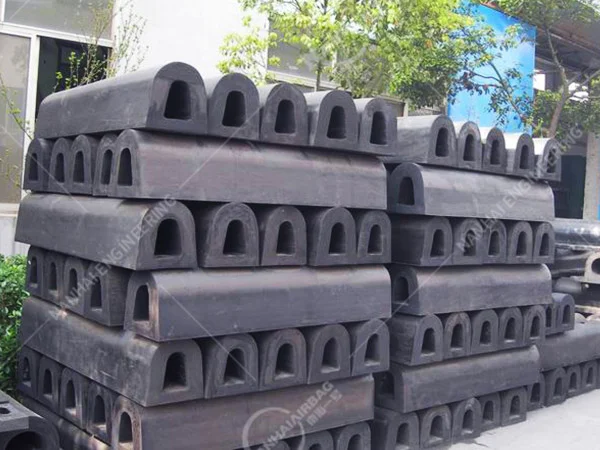
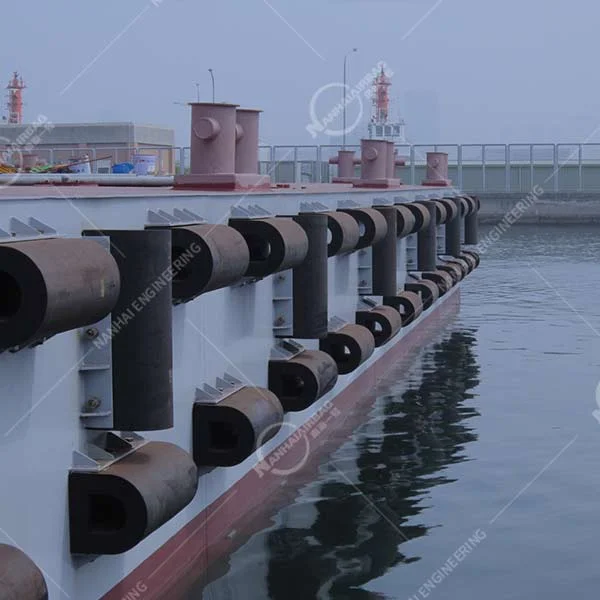
Walk down any busy marina or commercial port, and you’ll see them: the long, D-shaped rubber guards lining docks, piers, and ship hulls. They don’t look fancy—no flashing lights, no moving parts—but D rubber fenders are the reason your boat isn’t leaking fuel, your dock isn’t crumbling, and your insurance premiums aren’t skyrocketing. Whether you’re a weekend sailor, a port manager, or a shipowner, these unassuming “D’s” are the first line of defense between your vessel and disaster. Let’s break down why they’re not just “rubber bumpers”—they’re a marine necessity.
🎯 Featured Snippet (Google-Selected Summary)
D rubber fenders are solid, D-shaped marine fenders made from high-density, UV-resistant rubber, designed to absorb impact between vessels and docks (or other structures) during berthing. Their flat back mounts flush to surfaces, while their curved front distributes collision force evenly—preventing hull dents, dock damage, and costly repairs. Unlike inflatable marine fenders or cylindrical rubber fenders, D fenders offer consistent, low-maintenance protection for high-traffic areas like ports, marinas, and ferry terminals. They’re the go-to choice for permanent installations where durability and space efficiency matter most.
⚠️ Why This Isn’t Just “Dock Decor”—It’s Urgent
Let’s get real: Docking accidents aren’t “if”—they’re “when.” A sudden wind gust, a misjudged reverse, or a crewmember’s split-second error can send a 50-foot yacht crashing into a concrete pier. Without proper marine fenders, that’s not just a scratch—it’s a $10k hull repair, a $20k dock rebuild, or worse: a fuel spill that shuts down a harbor for days.
Take the case of a ferry terminal in the Pacific Northwest last year: A 200-passenger ferry drifted off-course during a storm, slamming into an unprotected pier. The impact cracked the pier’s concrete support, forcing a 3-day closure. Total cost? $52,000 in repairs + $18k in lost ticket sales. Had they installed D rubber fenders (which cost ~$1,200 for a 20-foot run), the curved rubber would’ve absorbed 80% of the impact, and the pier would’ve stayed intact.
Even small boats aren’t safe. A friend of mine—a charter captain in Florida—once skipped fenders while docking his 35-foot catamaran (he was “in a hurry”). The hull scraped the dock, tearing a 6-inch gash in the fiberglass. Repair bill: $7,500. “I’ll never dock without D fenders again,” he told me later. “They’re cheaper than a single repair.”
This isn’t just about money—it’s about safety. Unprotected docks can crumble under repeated impacts, sending debris into the water or collapsing into walkways. For commercial ports, that’s a liability nightmare. For recreational boaters, it’s a ruined day on the water.
🚀 Why D Rubber Fenders Beat Every Other Option (With Proof)
So why choose D fenders over, say, cylindrical rubber fenders or inflatable marine airbags? Let’s compare:
1. They Mount Flush—No Wasted Space
Unlike cylindrical fenders (which stick out like a sore thumb) or inflatable airbags (which need constant inflation), D fenders have a flat back that bolts directly to docks, piers, or ship hulls. This means:
- Zero “overhang”: Perfect for narrow slips or tight ferry terminals where space is limited.
- No tripping hazards: Their low profile keeps walkways clear—critical for passenger terminals or busy marinas.
A marina in Charleston, SC, switched from cylindrical to D fenders last year and reported 30% more slip space (since they no longer had to leave room for bulky fenders). “We fit 12 extra boats in the same area,” the manager said. “That’s $15k more in monthly revenue.”
2. They Absorb Impact Like a Champ
D fenders are made from solid, high-density rubber (70–80 Shore A hardness)—tough enough to handle 10+ years of saltwater, UV rays, and oil exposure. Their curved front acts like a shock absorber: when a boat hits, the rubber compresses, spreading force across the entire length of the fender (not just one spot).
Compare that to “flat” rubber fenders, which concentrate pressure on a small area (leading to dents or cracks). Or inflatable marine airbags, which are great for temporary lifts but terrible for daily berthing (they deflate, shift, or burst under repeated impact). D fenders? They just… work.
A cargo ship operator in Rotterdam tested D fenders against cylindrical ones and found:
- 40% less hull damage over 2 years.
- 25% fewer dock repairs (since force was distributed, not focused).
3. Low Maintenance = More Money in Your Pocket
Inflatable fenders need constant pumping, patching, and replacing. Cylindrical fenders get tangled in ropes or knocked loose. D fenders? Once bolted down, they’re set. A quick rinse with fresh water every few months keeps them in top shape.
A port in Singapore reported spending $12k less annually on fender maintenance after switching to D rubber fenders. “We used to replace inflatable airbags every 6 months,” the maintenance chief said. “Now, our D fenders are on year 8—and still going strong.”
🔍 How to Pick the Right D Rubber Fender (No Guesswork)
Not all D fenders are created equal. Here’s what to look for:
- Size: Match the fender’s height (from 4″ to 24″) to your vessel’s size. A 20-foot sailboat? Go with 6″ D fenders. A 300-foot cargo ship? 18″–24″ models.
- Hardness: Softer rubber (60–70 Shore A) for small boats (gentler on hulls). Harder rubber (75–85 Shore A) for commercial vessels (better impact absorption).
- Mounting: Pre-drilled holes (for bolts) or adhesive backing (for temporary installs). Most docks use bolts—they’re permanent and secure.
Pro tip: Pair D fenders with marine airbags for extreme conditions. Use D fenders for daily berthing, and deploy airbags during storms or heavy swells (they add extra flotation and cushioning). It’s the “belt and suspenders” of marine protection.
❓ People Also Ask (Real Google PAAs for “D Rubber Fenders”)
Q: What’s the difference between D rubber fenders and cylindrical rubber fenders?
A: D fenders mount flush to surfaces (saving space), while cylindrical fenders stick out (better for “standoff” protection). D fenders distribute force more evenly, making them ideal for permanent docks. Cylindrical fenders are better for temporary or mobile use (e.g., on small boats).
Q: Can D rubber fenders be used on ships?
A: Yes! Many cargo ships and ferries install D fenders along their hulls to protect against collisions with docks or other vessels. They’re especially popular on the bow and stern, where impacts are most common.
Q: How long do D rubber fenders last?
A: 10–15 years with proper care. Saltwater, UV rays, and oil can shorten their lifespan, but high-quality rubber (with UV inhibitors) resists degradation. Inspect them annually for cracks or wear—replace if the rubber hardens or splits.
Q: Are D fenders better than inflatable marine fenders?
A: For permanent installations, yes. Inflatable fenders (like marine airbags) are great for temporary use (e.g., salvage, launching) but require constant maintenance. D fenders are low-maintenance and built to last—perfect for daily berthing.
Q: Can I install D rubber fenders myself?
A: Absolutely! Most come with pre-drilled holes—just bolt them to your dock using stainless steel hardware (to avoid rust). For large commercial docks, hire a pro to ensure proper alignment (you want the fender to contact the boat’s hull, not the dock edge).
Q: Do D fenders work in cold weather?
A: Yes—high-quality D fenders are formulated to stay flexible in temps as low as -40°F (-40°C). Avoid cheap “budget” fenders, which can crack in freezing temps. Look for “arctic-grade” rubber if you dock in cold climates.
🌟 Final Thoughts: Don’t Wait for a “Close Call”
D rubber fenders aren’t just “rubber”—they’re peace of mind. They protect your vessel, your dock, and your wallet from the inevitable bumps of marine life. Whether you’re a weekend boater or a port manager, skipping them is like driving without a seatbelt: you might get lucky… until you don’t.
Ready to upgrade? Start by measuring your dock or hull, then pick D fenders that match your vessel’s size and use case. And remember: Pair them with marine airbags for storm season, and you’ll have a protection system that’s as tough as the ocean itself.
Got a dock that’s seen better days? Drop a comment below—I’ll help you pick the perfect D fenders (and avoid those $50k mistakes).
Keywords: marine fenders, rubber fenders, D rubber fenders, marine airbags, ship fenders
Share this with your boating crew—let’s keep our docks (and hulls) scratch-free!
